























Gulf Troubles Temper Optimism in Asian Stock Markets


Asian stock markets displayed cautious sentiment as uncertainty loomed over the Gulf ceasefire. The fragile peace has begun to show cracks, impacting oil prices and triggering inflation concerns among investors.
Gulf Troubles Impacting Asian Stock Markets
The Strait of Hormuz, a crucial oil passage, is reportedly under Iran’s control. The country has begun demanding tolls for safe transit, leading to apprehension about global oil supply stability. Nigel Green, CEO of deVere Group, commented on the situation, emphasizing the significance of oil supply moving through a conflict-affected corridor.
Oil Prices React to Geopolitical Tensions
Following a notable increase in tensions, oil prices rose modestly. U.S. crude futures climbed 2.8% to reach $96.99 per barrel, while Brent crude rose 2.1% to $96.74. These prices remain about 40% higher than levels observed before the conflict began.
Performance of Asian Markets
- Japan’s Nikkei index fluctuated around flat after a significant 5.4% increase in the previous session.
- South Korea’s index dipped by 0.4% following a previous rise of 6.8%.
- MSCI’s Asia-Pacific index outside Japan experienced a slight decline of 0.3%.
In the United States, S&P 500 and Nasdaq futures both fell by 0.2%, indicating a slowdown after Wednesday’s surge. European markets also showed mixed performance, with EUROSTOXX 50 futures rising by 0.1% while DAX futures fell by 0.3%.
Inflationary Pressures on the Horizon
As energy prices surge, inflation data is expected to reflect significant rises. U.S. core prices for February are anticipated to show a 0.4% increase, further exacerbating inflationary trends. The Federal Reserve minutes indicated a growing consensus for potential rate hikes to manage inflation, though many still expect future cuts.
Currency and Commodities Market Update
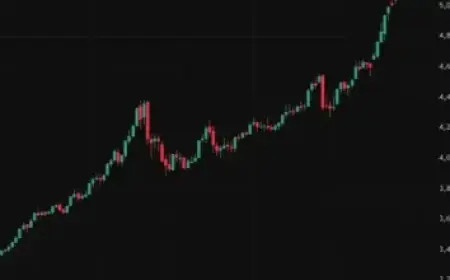
The dollar stabilized against major currencies after initial declines. It was quoted at 158.60 yen, having previously dipped to 157.89. Meanwhile, gold prices remained steady at $4,718 an ounce after peaking at $4,777.
Overall, the geopolitical tensions in the Gulf are casting a shadow over Asian stock markets, heightening concerns about inflation and economic stability.