
























B.C. Invests $165K on Free Coffee for U.S. Health Workers, Taxpayers Concerned

In a surprising move, the British Columbia government allocated $165,000 for a promotional coffee giveaway aimed at U.S. health care workers. This initiative, promoted by Premier David Eby, sparked outrage among taxpayer advocacy groups concerned about government spending.
Background of the Coffee Giveaway
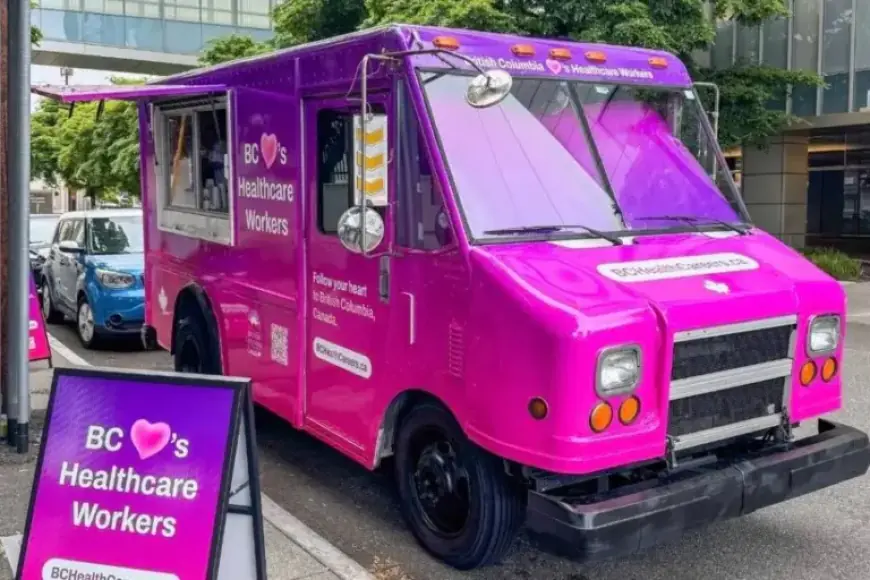
The money was spent on 1,000 cups of coffee distributed over two days as part of a recruitment strategy. The Canadian Taxpayers Federation, represented by spokesperson Carson Binda, initially questioned the expenses after noticing a photo shared by Eby featuring a truck serving coffee to health workers in the U.S.
Financial Implications
According to the latest fiscal projections, B.C. is facing a significant deficit. Estimates indicate a deficit of:
- $13.3 billion for the current year
- $12.1 billion next year
- $11.4 billion in the following fiscal year
Since the provincial budget was announced on February 17, credit rating agencies have issued downgrade notices, raising concerns over financial management.
Government Defense of the Initiative
Despite the backlash, Premier Eby defended the coffee giveaway, asserting its effectiveness. He noted that training a single doctor costs approximately $350,000, making the coffee campaign relatively affordable within the broader context of recruitment spending.
The coffee distribution was part of a larger $5 million advertising effort launched last June, which successfully attracted over 500 U.S. health care professionals to consider positions in B.C.
Mixed Reactions
While Eby described the initiative as “wildly successful,” Binda remains skeptical about its impact on recruitment. He argues that a single cup of coffee is unlikely to influence a major decision like relocating for work. Instead, he recommends using funds to streamline the process for health care professionals transferring their credentials.
Interim B.C. Conservative Leader Trevor Halford expressed similar sentiments, advocating for more practical recruitment methods. He suggested that direct engagement with graduating medical students at local institutions would be more effective than costly promotional stunts.
As the debate continues, residents and taxpayers continue to question the effectiveness of such expenditures in addressing the province’s pressing healthcare workforce needs.