























Trump’s War Crime Threat Betrays American Values

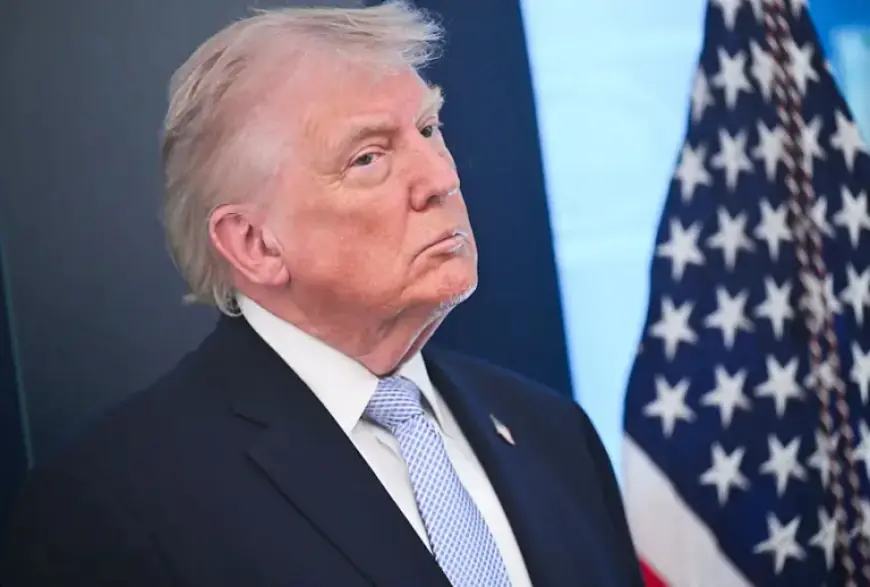
In recent statements, former President Donald Trump’s rhetoric has sparked concerns about American values and international ethics. His controversial threat regarding Iran has drawn parallels to the aggressive military stance taken during historical conflicts, notably the Cuban Missile Crisis during John F. Kennedy’s presidency.
Trump’s Threat and its Ramifications
On April 1, the ex-president declared in a primetime address that he would return Iran to the Stone Age, a phrase reminiscent of General Curtis E. LeMay’s remarks from earlier military engagements. Trump’s messaging culminated in a shocking post where he suggested a civilization could be annihilated, raising significant alarm globally. He expressed a desire for “Complete and Total Regime Change” in Iran, which he characterized as a potential turning point in history.
Historical Context
The origins of this aggressive rhetoric can be traced back over six decades to General LeMay, who advocated for military intervention during the Cuban Missile Crisis. President Kennedy regarded his views as extreme and dangerous, a sentiment echoed by today’s political analysts when reflecting on Trump’s recent statements.
Ethics and Accountability in Leadership
Trump’s comment about annihilating a population was unprecedented and perceived by many as an incitement to violence. Critics argue this represents a departure from core American principles established over 250 years ago, where the values of democracy and human dignity were meant to guide national conduct.
Global Response to Trump’s Rhetoric
Following Trump’s alarming remarks, anxiety surged worldwide. His assertion about striking Iran hung in the air as diplomatic relations appeared on the verge of collapse. Yet, just as quickly, reports surfaced of a ceasefire agreement, indicating a complex and often contradictory media landscape.
- Trump’s statements may undermine diplomatic efforts.
- Critics highlight the potential violation of international norms.
- The rhetoric differs from past presidents, suggesting a decline in political decorum.
The Legacy of Military Threats
Historically, threats from American leaders, such as Reagan and Bush, included stern warnings but did not approach the extreme language used by Trump. LeMay once stated, “If we’d lost the war we’d all have been prosecuted as war criminals,” an ominous reminder of the responsibilities tied to military power.
Many analysts are concerned that Trump’s language signals a continuing trend toward desensitization regarding military conflict. The implications of such statements alter the global perception of the United States and can lead to unpredictable consequences.
Call for Reflection
As discussions surrounding the Iran conflict evolve, it remains imperative for citizens to engage critically with the language used by their leaders. The choices made today can define the future for generations. The concepts of dignity and respect for human life must prevail over nihilism and brutality.
Ultimately, as America navigates this complex geopolitical landscape, it must reconcile its leadership style with its foundational values, ensuring that threats of war do not overshadow the quest for peace and understanding.