






















Judge Who Blocked Trump’s Last Order Steps Down From New Voting Case

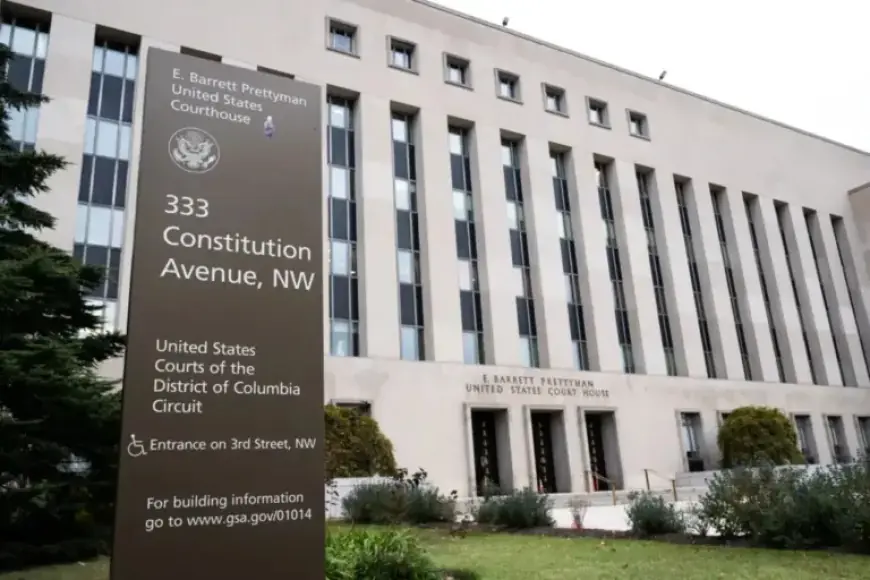
In a recent legal decision, a federal judge has mandated the random reassignment of challenges to President Donald Trump’s new executive order concerning voting rights. The ruling is seen as a pivotal moment in the ongoing debate over voting regulations.
Reassignment of Legal Challenges to Trump’s Voting Order
The U.S. Department of Justice (DOJ) successfully argued for the reassignment of related lawsuits from U.S. District Judge Colleen Kollar-Kotelly. This judge previously blocked Trump’s earlier anti-voting directive issued in March 2025. Her involvement had raised expectations that she might also challenge the new executive order.
Background on Previous Legal Action
Several lawsuits filed by Democratic plaintiffs and pro-voting organizations were initially connected to the earlier case. The earlier ruling established that Trump lacked the authority to control election regulations. This ruling effectively halted an executive order that sought to impose new voter registration requirements.
Judge Kollar-Kotelly’s Position
Kollar-Kotelly maintained that the new lawsuits do not fall under the same category as the prior case. She emphasized two main points in her decision:
- The earlier case is currently in the appeal process, which means it cannot dictate the handling of new lawsuits.
- The nature of Trump’s latest executive order is distinct from the previous order, thus justifying a different judicial approach.
Implications of the Ruling
This decision marks a significant procedural alteration in the ongoing conflict surrounding voting regulations. Many courts have consistently upheld that election control rests with states and Congress rather than the executive branch.
Details of Trump’s New Executive Order
Trump’s latest directive proposes the establishment of a federal database aimed at verifying voter citizenship. Additionally, it introduces new regulations regarding mail-in voting. Critics, particularly from voting rights groups, argue that these changes could obstruct eligible citizens from participating in the electoral process.
The Democratic plaintiffs in this case are represented by the Elias Law Group, headed by Marc Elias, who is also the founder of Democracy Docket. The evolving legal landscape highlights the ongoing tensions over access to voting and the power dynamics involved.