

























US-Israeli Attacks on Iran’s Infrastructure: A Counterproductive Strategy

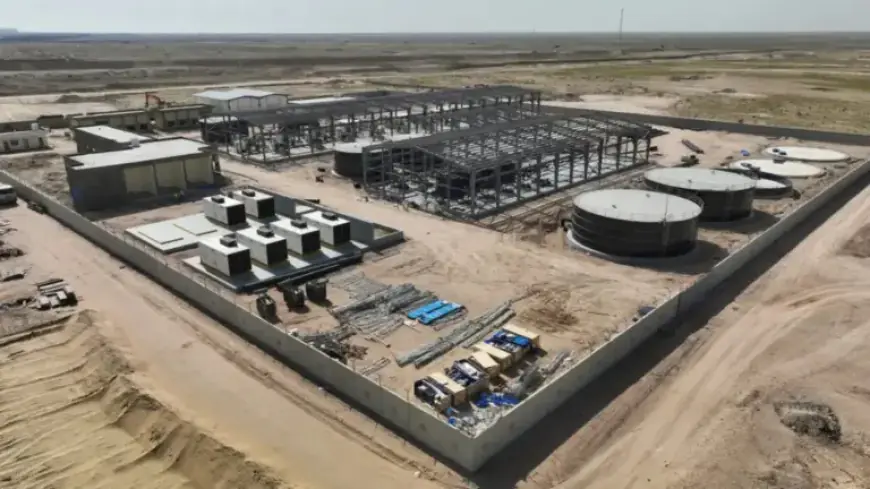
President Donald Trump publicly threatened attacks on Iranian desalination plants. He also reiterated warnings about strikes on Iran’s energy and electricity infrastructure. Experts warn such moves would damage civilians far more than military forces.
Limited effect on Iran’s military
Analysts say Iran’s armed forces rely mainly on diesel and middle distillates. Iran’s air arm has been curtailed, reducing jet fuel needs. Diesel can be stockpiled for months and represents a small share of national consumption.
Historical data from 2008 shows U.S. military distillate use was only 67,000 barrels per day. That represented about 1.7 percent of total U.S. distillate demand then. Iran consumed roughly 684,000 barrels per day of diesel in 2024. Military shortfalls after attacks on the civilian grid would therefore be limited.
Humanitarian risks from damaged water and power systems
Electricity in Iran supports hospitals, cooling, and groundwater pumping. Those pumps supply drinking water and sanitation. Losing power would trigger disease, hunger, and thirst quickly.
Past conflicts show the danger. During the 1991 Gulf War, blackouts and water outages in Iraq led to epidemics. Some estimates link the post-war health crisis to about 100,000 excess deaths and a sharp rise in child mortality.
Desalination plants and the water-electricity nexus
Desalination is energy intensive. Saudi Arabia uses about 300,000 barrels per day of oil for desalination processes. Around three quarters of GCC desalination facilities are tied into national electrical grids.
Fifty-six plants supply more than 90 percent of Gulf desalinated water. Major disruptions could create shortages within 48 to 72 hours. Reserve storage varies dramatically across the Gulf states.
United Arab Emirates reserves may last 16 to 45 days. Saudi water reserves often last only a few days to two weeks. Qatar, Kuwait, and Bahrain hold less than a week of water.
Regional spillovers and allied concerns
Attacks on Iran’s energy and water infrastructure could destabilize neighboring states. Iran supplies roughly one third of Iraq’s natural gas and electricity needs. In Basra governorate, about 72 percent of water treatment depends on electrical supply.
Israel could also feel effects. Iran has reportedly targeted areas near Israeli nuclear facilities, such as Dimona and Arad, injuring hundreds. Analysts warn that damage to desalination assets could threaten up to 80 percent of Israel’s drinking water.
Gulf allies have major stakes in regional water and power security. A strike that hits the water-electricity nexus could erode Gulf support for U.S. policy.
Why experts call it a counterproductive strategy
Commentators argue US-Israeli attacks against Iran’s infrastructure would harm civilians more than military targets. The campaign would likely undermine U.S. credibility among Iranians opposed to their government. It could also prolong and escalate the conflict.
Destroying energy and water resources would create a regional humanitarian emergency. The global energy system would face severe shocks if refineries and gas production were hit. For these reasons, analysts label strikes on civilian systems a counterproductive strategy.
Who warned about these risks
Joseph Webster and Ginger Matchett from the Atlantic Council detailed these concerns in a recent analysis. Webster is a senior fellow with the Global Energy Center and Indo-Pacific Security Initiative. Matchett is assistant director with the GeoStrategy Initiative at the Scowcroft Center.
Filmogaz.com will continue covering developments on this topic. A Reuters image shows a desalination station near Basra on March 27, 2024.