

























Gilgo Beach Suspect Admits to Killing 8 Women Over 3 Decades

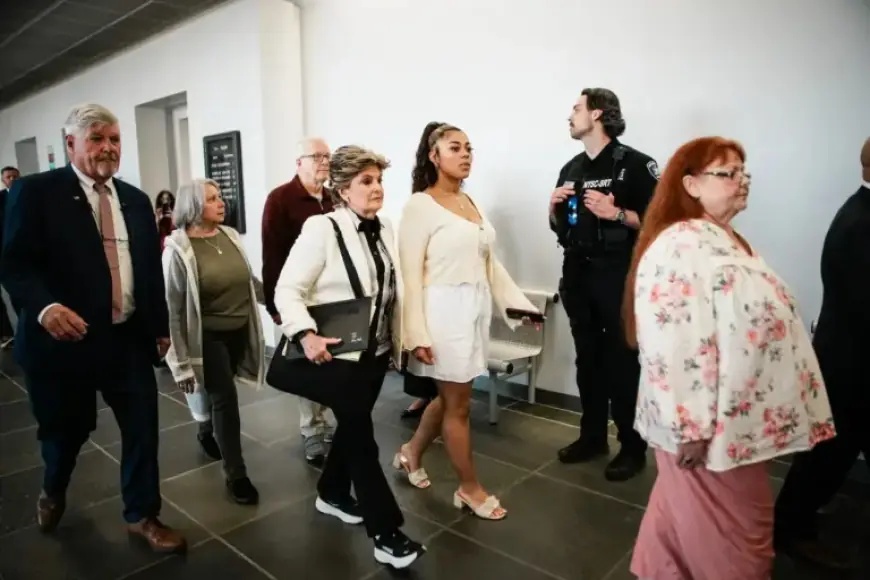
In a shocking turn of events, Rex Heuermann, a suspect in the Gilgo Beach murders, has admitted to killing eight women over a span of three decades. This confession marks a significant moment in a case that has troubled the families of victims and law enforcement officials alike.
Background of the Gilgo Beach Murders
The Gilgo Beach killings date back to the early 1990s. What initially began as a search for a missing woman led authorities to discover the remains of several victims along a remote stretch of beach in Long Island, New York. The case garnered significant media attention due to the nature of the crimes and the elusive killer.
Rex Heuermann’s Confession
During recent court proceedings, Heuermann confessed to the brutal murders, detailing how he strangled each victim. His admissions provide crucial insights into the series of slayings that have haunted the community for years. He faces charges related to seven of these murders but claims responsibility for eight in total.
Victims Identified
- Women primarily involved in the sex trade.
- Victims ranged in age and background.
- They were found near Gilgo Beach, with evidence linking them to Heuermann.
The Impact of the Case
This series of murders has raised numerous concerns regarding safety and justice in the area. Families of the victims have long waited for closure. Heuermann’s confession, while shocking, has provided a sense of resolution for some. However, the community continues to grapple with the tragic reality of these crimes.
Ongoing Investigations
Authorities remain vigilant as they continue to investigate any connections Heuermann may have to other unresolved cases. The implications of his confession could lead to further arrests or revelations. Law enforcement aims to provide justice for all affected by these heinous crimes.
Conclusion
The admission by Rex Heuermann, the Gilgo Beach suspect, brings a chilling conclusion to a long-standing mystery. As the legal proceedings unfold, communities and families are left to reflect on the past while seeking a path toward healing.