

























John Deere to Pay $99 Million in Landmark Right-to-Repair Settlement

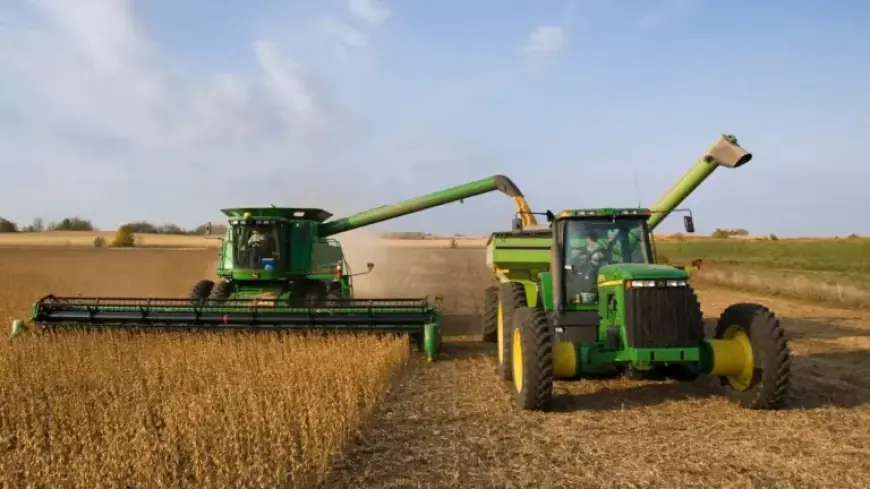
Farmers have long grappled with John Deere over their right to repair agricultural equipment. Recently, they achieved a pivotal settlement that emphasizes their concerns. John Deere agreed to pay $99 million into a fund to support farms and individuals involved in a class action lawsuit.
Details of the Settlement
This settlement stems from disputes about repair costs. Specifically, the funds will assist those who utilized John Deere’s authorized dealers for large equipment repairs since January 2018. Plaintiffs can expect to recover between 26% and 53% of overcharge damages, significantly exceeding the usual recovery range of 5% to 15%.
Digital Tools Access
A key aspect of the settlement is John Deere’s commitment to provide essential digital tools for maintaining, diagnosing, and repairing its equipment. This access will continue for the next 10 years, addressing long-standing farmer frustrations over software access needed for repairs. Farmers had previously resorted to hacking their equipment’s software to avoid costly downtime.
Previous Agreements and Future Considerations
In 2023, John Deere signed a memorandum of understanding that began to address these issues by allowing third parties to access diagnostic technology, provided it protected their intellectual property. The recent settlement, however, represents a more comprehensive and legally binding resolution.
Wider Implications
The aftermath of this settlement is already affecting the agricultural equipment market. Prices for used machinery have soared as difficulties in servicing equipment have become more widespread. It has become commonplace for older tractors to sell for as much as $60,000, as farmers prioritize simplicity and reduced downtime in repairs.
Ongoing Legal Challenges
While this settlement is promising, John Deere is not entirely free from legal challenges. The company faces scrutiny from the United States Federal Trade Commission (FTC), which accuses it of restricting the repair process. Any negative ruling against John Deere could set a precedent, influencing other industries beyond agriculture, including automotive and home appliances.
The battle for the right to repair is critical. It underscores a broader conflict between manufacturers and consumers, as companies increasingly seek control over their products post-sale. This case highlights the stakes involved in ensuring that consumers have access to the necessary tools for repairs.