

























Record Flea-Borne Typhus Surge in L.A.: Hotspots and Protection Tips

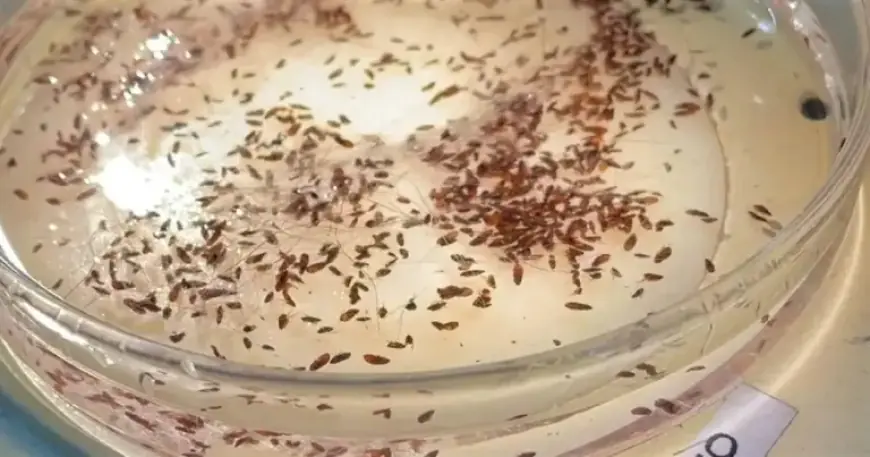
Los Angeles County logged a sharp rise in flea-borne typhus cases in recent reporting. Health officials recorded 220 cases in 2025.
This report outlines the record flea-borne typhus surge in L.A., identifies hotspots, and offers protection tips.
Case trends and local hotspots
The county saw 220 cases in 2025. That followed 187 cases in 2024.
Cases rose from 141 in 2021 to 171 in 2022. They dipped to 124 in 2023 before climbing again.
Public health authorities flagged three localized outbreaks in 2025. Those occurred in central Los Angeles, Santa Monica, and Willowbrook near Compton.
Nearly nine out of ten infected people in 2025 required hospitalization, officials reported.
How the disease spreads and seasonality
Flea-borne typhus is caused by the bacterium Rickettsia typhi. Fleas acquire the bacterium after biting infected animals.
Common animal reservoirs include rats, stray cats, and opossums. Humans contract the disease when flea feces enter cuts, scrapes, or the eyes.
Cases occur year-round. They tend to peak in late summer and fall, when flea activity increases.
Who is most at risk
All age groups can be affected. Reported patient ages in 2025 ranged from 1 to 85 years.
People living outdoors or in housing infested with rodents face higher risk. Carrying infected fleas indoors on pets or animals also increases exposure.
Prevention for people and pets
- Use flea control on pets year-round.
- Avoid feeding or handling stray animals.
- Keep trash lids closed and block rodent entry points.
- Do not leave pet food outside overnight.
- Secure yards to reduce wildlife and rodent attraction.
Routine veterinary care and flea prevention protect both pets and household members.
If you suspect infection
Symptoms usually appear one to two weeks after exposure. Common signs include fever, headache, chills, and body aches.
A rash often appears on the chest, sides, or back. The illness responds well to antibiotics when diagnosed early.
Severe illness and hospitalization are avoidable with prompt treatment. Contact your healthcare provider right away if symptoms develop.
For ongoing coverage and guidance, visit Filmogaz.com or consult Los Angeles County Public Health Department and the Centers for Disease Control and Prevention.