
















First Conviction Under New Law Banning Intimate Deepfakes

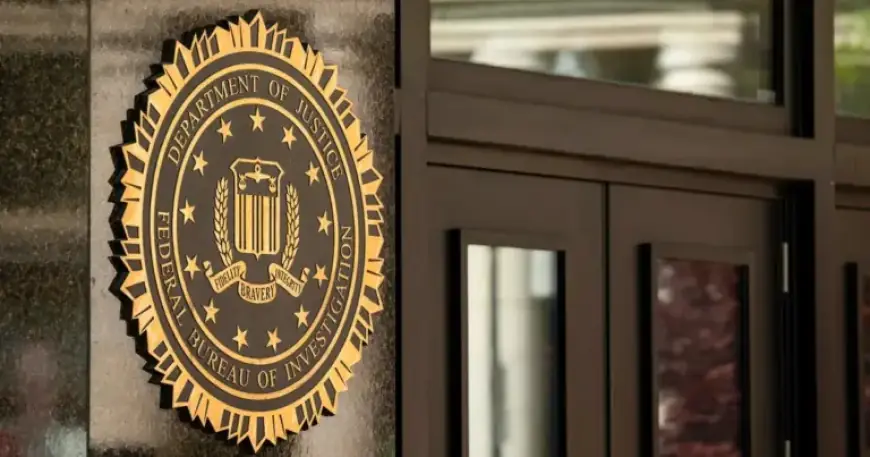
In a landmark legal decision, an Ohio man has become the first individual convicted under the Take It Down Act. This federal law, enacted during the Trump administration, criminalizes the distribution of nonconsensual explicit content, including intimate AI-generated deepfakes. The U.S. Department of Justice announced this significant development on Tuesday.
The Conviction Details
James Strahler II, a 37-year-old, was arrested in June 2025 after creating and sharing an extensive collection of explicit images. He admitted guilt on charges including cyberstalking and producing obscene visuals related to child sexual abuse. Strahler’s actions involved manipulating images of minors known to him, altering their faces to depict them in sexually explicit scenarios.
- Strahler utilized images of local boys, combining them with adult bodies or other children’s images.
- He posted over 700 explicit images on a website focused on child sexual abuse.
- His phone contained 2,400 images and videos related to nudity and AI-generated abuse material.
Legal Implications and the Take It Down Act
Enacted in May 2025, the Take It Down Act mandates that any reported nonconsensual imagery must be removed from online platforms within 48 hours. The law was part of First Lady Melania Trump’s “Be Best” initiative, aimed at safeguarding children from cyber exploitation.
- Senator Ted Cruz introduced the bill in June 2024.
- The bill received overwhelming support, passing the Senate unanimously and the House with a 409-2 vote.
- Violators can face fines and prison sentences, with harsher penalties for offenses involving minors.
A Growing Concern
The conviction highlights the escalating issue of AI-generated content used for child exploitation. According to the National Center for Missing and Exploited Children, over 1.5 million tips related to generative AI and child sexual abuse were reported in 2025 alone.
Future Legislative Efforts
Beyond the Take It Down Act, Congress is considering additional legislation to combat AI-related child exploitation. The recently proposed Enhancing Necessary Federal Offenses Regarding Child Exploitation (ENFORCE) Act seeks to ensure that creators of AI-generated abuse material face similar penalties as those who produce traditional child sexual abuse content. This bill passed the Senate unanimously but has yet to advance in the House.
As discussions around this critical issue continue, a tracker from Public Citizen indicates that at least 45 states have enacted local laws aimed at addressing AI deepfakes, particularly regarding minors. The efforts reflect a growing recognition of the need to combat the misuse of technology in exploiting vulnerable populations.