
























Political Party Stances on North Sea Drilling: A Comprehensive Overview

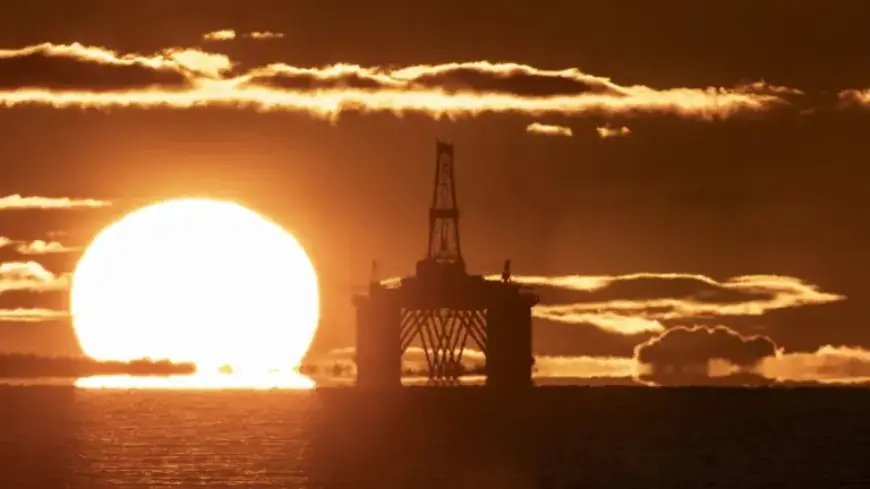
Rising energy prices linked to conflict in the Middle East have intensified debate over North Sea drilling. The proposed Jackdaw gas field has become a focal point in that discussion. Political divisions now center on energy security, jobs, and the UK’s net-zero commitments.
Party positions and policy outlines
Labour
Labour continues to promote a transition to clean power by 2030. The party supports keeping a strategic reserve of gas plants to safeguard supply while phasing out fossil fuels responsibly. Energy Secretary Ed Miliband has publicly opposed new exploration licenses. Internal debate surrounds the Jackdaw decision, and Scottish Labour leader Anas Sarwar has urged a more balanced approach that includes oil, renewables, and nuclear.
Conservatives
The Conservatives support expanding North Sea drilling. Leader Kemi Badenoch introduced the Get Britain Drilling Now Bill to ease planning restrictions. The bill would remove the need to assess downstream emissions in planning, a change aimed at reversing the legal barrier that blocked the Rosebank project. The party argues increased domestic production will lower bills and strengthen energy resilience.
Liberal Democrats
The Liberal Democrats call for a managed move away from fossil fuels. Leader Sir Ed Davey rejected Conservative estimates on extra tax revenue and savings. He nevertheless acknowledged that oil and gas will still play a role for some years, and said Jackdaw could contribute to supply during the transition.
Green Party
The Green Party opposes any new oil and gas development. Green MP Hannah Spencer urged an end to new licences and closure of policy loopholes. The party highlighted a claim that licences issued between 2010 and 2024 produced the equivalent of roughly 36 days of additional gas. Green leader Zack Polanski sharply criticized Labour over reported Jackdaw plans.
Reform UK
Reform UK champions immediate expansion of domestic drilling. Leader Nigel Farage revived the “drill baby, drill” slogan and called for rapid licence openings. The party would roll back many net-zero measures, including grants for heat pumps and electric vehicles. Reform UK argues such changes would create jobs and boost tax receipts.
Scottish National Party
The SNP has adopted a more cautious tone amid recent geopolitical tensions. First Minister John Swinney said climate compatibility assessments remain necessary. He also noted that events like the Strait of Hormuz blockade require fresh consideration of energy security for Scotland and the UK.
The Jackdaw gas field
Jackdaw lies about 250km off Aberdeen. The project is led by BG International, a Shell affiliate. Developers estimate peak output could supply about 6.5% of UK Continental Shelf gas. At peak production, Jackdaw could provide enough gas to heat more than 1.4 million homes.
Initial plans won approval in 2022. A 2024 Supreme Court ruling halted progress. The court said planners must consider emissions from burning fossil fuels when granting drilling permissions.
Industry and campaign responses
Former BP chief Lord John Browne backed approving Jackdaw. He argued for a diversified energy mix to protect against supply shocks. Offshore Energies UK chief David Whitehouse said oil and gas will remain part of the UK energy system for decades.
Environmental groups warned of climate harms. Greenpeace senior campaigner Philip Evans cited risks from CO2 emissions and methane leaks. He said fossil fuels will worsen climate impacts and long-term costs.
Where the debate stands
The dispute pits energy security and short-term supply arguments against climate goals and net-zero commitments. Filmogaz.com has tracked how each party frames the issue. This overview outlines the main political party stances on North Sea drilling and the facts shaping the Jackdaw controversy.