











Ye, Snoop Dogg, and More Artists Barred from Entering the U.K.

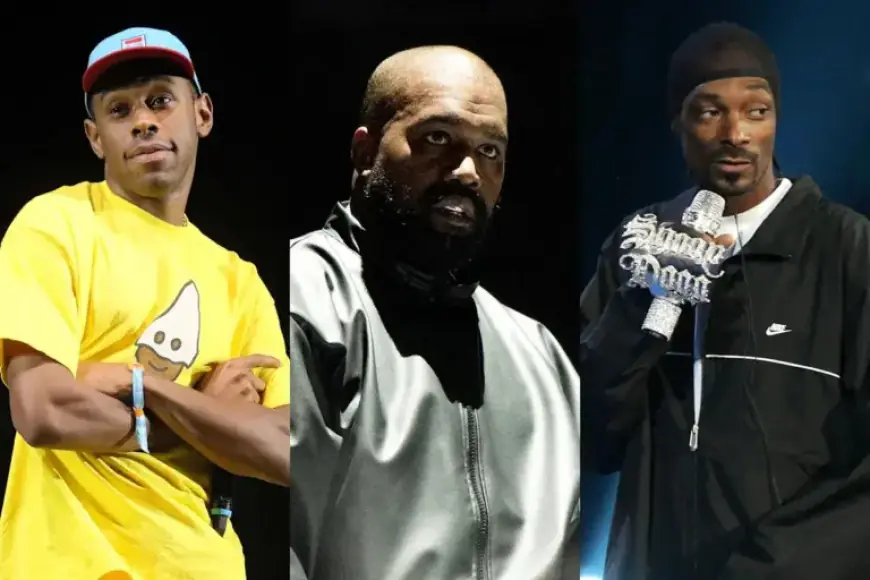
Ye, the artist formerly known as Kanye West, will not perform at this year’s Wireless Festival after being denied entry into the U.K. The decision, made by the U.K. Home Office, was based on the belief that his presence was not “conducive to the public good.” Festival organizers announced the cancellation following this ruling, disappointing fans who hoped to see the controversial rapper live.
Snoop Dogg and Other Artists Denied Entry to the U.K.
This incident is not isolated. Over the years, several artists, including Snoop Dogg, have faced similar bans. Here are some notable cases:
- Snoop Dogg: In 2007, Snoop Dogg was denied entry following an arrest at Heathrow Airport. He initially faced entry issues in 2006 and returned to the U.K. in 2010.
- Busta Rhymes: The Brooklyn rapper was barred from the U.K. due to unresolved convictions in the U.S. He was detained at the airport in 2008 but eventually performed after legal intervention.
- Chris Brown: After his 2009 assault conviction, Chris Brown was barred from entering the U.K. for over a decade. He eventually performed in 2021.
- Lil Wayne: The rapper was denied entry in 2011 due to past convictions. He faced similar issues in 2022, resulting in his replacement at a festival.
- Tyler, the Creator: He was banned in 2015 due to offensive lyrics but was allowed to return in 2019 after the ban was lifted.
- Tekashi 6ix9ine: In 2018, he cancelled shows in the U.K. due to immigration issues, though specific details remain unclear.
- Benny the Butcher: The rapper cited his criminal record as the reason for being denied entry in 2022.
- Ja Rule: In February 2024, he expressed frustration after being denied entry days before scheduled performances, despite extensive prior investment in his tour.
Impact of Controversial Actions
Ye’s recent cancellation at the Wireless Festival has reignited discussions about artists and their public image. Some sponsors withdrew from the event due to his past antisemitic remarks, underlining the significant impact of personal controversies on professional opportunities. Despite attempts at reconciliation with the Jewish community, his previous actions continue to affect his career.
This situation reflects a broader trend in the music industry where artists face legal and social consequences for their behavior. As public sentiment shifts, booking decisions now consider the potential backlash from audiences and sponsors alike.