























Pakistan Brokers US-Iran Ceasefire Amidst US-Israel Conflict

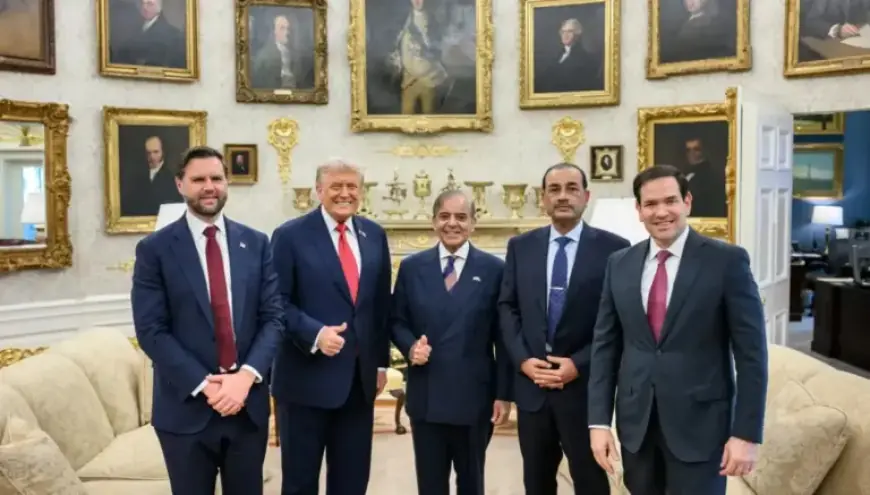
In a significant diplomatic breakthrough, Pakistan has successfully mediated a two-week ceasefire between the United States and Iran, amidst a backdrop of escalating US-Israel conflict. The announcement came shortly before a deadline set by President Donald Trump, who highlighted discussions with Pakistan’s Prime Minister Shehbaz Sharif and Field Marshal Asim Munir as pivotal to the agreement.
Ceasefire Details and Key Players
President Trump announced the ceasefire on his social media platform, Truth Social, citing a need to halt further destruction in Iran. Iranian Foreign Minister Abbas Araghchi confirmed the ceasefire on social media, expressing gratitude towards Pakistan for its mediation role. Both parties acknowledged remaining uncertainties regarding specifics, including military transit through the Strait of Hormuz and the inclusion of Lebanon in the ceasefire agreement.
Pakistan’s Diplomatic Role
- Engagement Strategy: Pakistan’s diplomatic efforts commenced soon after initial US-Israel attacks on Iran. Diplomats worked tirelessly behind the scenes to facilitate dialogue.
- Leadership Involvement: Prime Minister Sharif and Field Marshal Munir maintained direct communication with both Washington and Tehran.
- Gratitude from Iran: Araghchi’s statements reflected appreciation for Pakistan’s role, strengthening the perception of Pakistan as a mediator.
Context of the Conflict
The conflict escalated following a coordinated strike by the US and Israel on Iranian targets on February 28, which resulted in significant casualties and disrupted a substantial portion of global oil supplies. Over 2,000 lives have been lost in Iran as a result of the ongoing military operations.
Pakistan’s location and historical ties with both nations positioned it as a neutral ground for negotiations. Prime Minister Sharif’s previous calls for peace laid the groundwork for the ceasefire efforts.
Diplomatic Developments and Future Prospects
Following the ceasefire announcement, formal talks are expected to commence in Islamabad, potentially involving a high-level US delegation led by Vice President JD Vance. Pakistan’s strategic involvement is seen as crucial in addressing regional tensions and navigating the complexities of this multifaceted crisis.
While the ceasefire marks a temporary halt in hostilities, key differences remain unresolved, and the global community watches closely as negotiations progress. Analysts believe that this development enhances Pakistan’s standing on the diplomatic stage, showcasing its capability to mediate in high-stakes conflicts in the region.
Having brokered this ceasefire, Pakistan now aims to further engage both the US and Iran in meaningful dialogue to ensure long-term peace and stability. Major concerns, such as military presence and regional sovereignty, will need to be addressed in subsequent rounds of negotiations.