
























Iran Oil Crisis Persists with Empty Ships and Closed Wells

The ongoing Iran oil crisis continues to impact global energy markets amidst a backdrop of geopolitical tension and shipping disruptions. Recently, a two-week ceasefire was agreed upon between the United States and Iran, raising hopes for the resumption of oil transport through critical shipping lanes.
Ceasefire and Its Implications on Oil Shipping
Following 40 days of conflict, the ceasefire set to commence has highlighted the importance of the Strait of Hormuz. This narrow waterway is pivotal as it facilitates the transit of approximately 20% of the world’s oil and gas during times of peace. However, its closure during the recent hostilities has significantly contributed to rising global fuel prices.
Impact on Oil Prices
In the wake of the ceasefire announcement, oil prices fluctuated. The cost per barrel, which soared above $110 during the conflict, dropped to around $92. Nonetheless, this remains considerably higher than pre-conflict levels of around $65 per barrel.
Global Response to the Energy Crisis
The war has prompted over 100 countries, primarily in Asia, to raise fuel prices significantly. In response, various governments have declared national energy emergencies and enacted measures such as:
- Implementing work-from-home policies
- Shortening working weeks
- Introducing fuel rationing
- Establishing curfews to limit consumption
Challenges in Oil Production and Transportation
While reopening the Strait of Hormuz could ease some pressures on energy supply, logistical challenges remain acute. Security concerns during the ceasefire period cast doubt on the ability of shipping companies to operate safely.
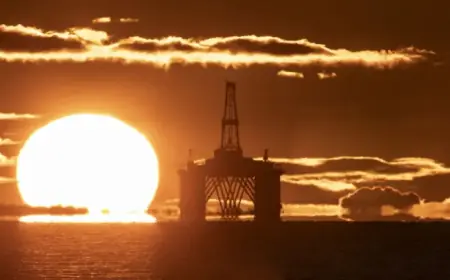
Additionally, oil production has stagnated, with many wells forced to close due to limited transport options. Experts caution that resuming operations isn’t as simple as flipping a switch; it involves extensive effort and expense.
Significant Declines in Oil Exports
Recent data from Kpler signals an alarming drop in oil exports from Gulf states. Between February and March, total exports from Iraq, Kuwait, Oman, Qatar, Saudi Arabia, and the UAE fell from 469 million barrels to 263 million barrels, a staggering decrease of 206 million barrels or 44%.
Countries Most Affected by the Oil Crisis
The decline varied significantly across nations:
- Iraq: Exports plummeted 82%, from 94 million barrels to 17 million.
- Kuwait and Qatar: Each faced reductions of approximately 75% and 70%, respectively.
- Saudi Arabia and UAE: Experienced smaller declines of 34% and 26% due to alternative supply routes.
- Oman: Uniquely benefitted, with a 16% increase in exports from 25 million barrels to 29 million.
The Volume of Oil Lost
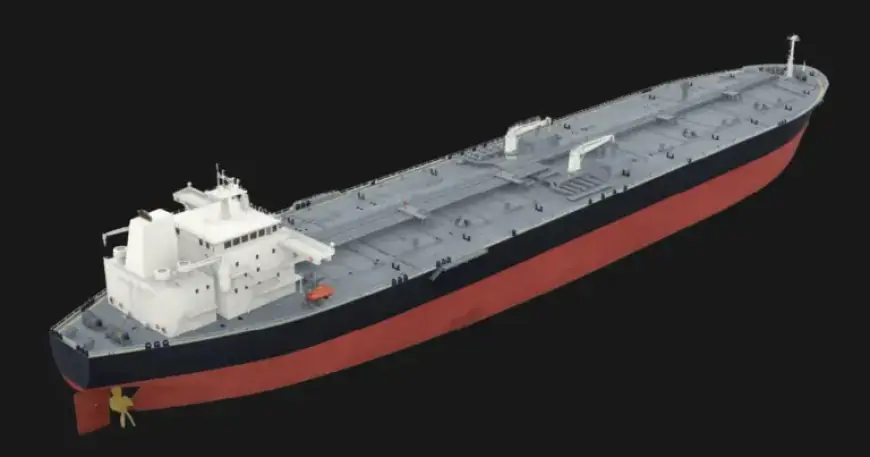
The loss of 206 million barrels could fill around 103 Very Large Crude Carriers (VLCCs), underscoring the substantial logistical challenges posed by the crisis.
Long-Term Economic Consequences
Experts predict that the ramifications of the ongoing energy crisis will extend well into 2026 and beyond. The Gulf region is also expected to face prolonged recovery times as facilities damaged during the conflict take years to repair.
In summary, the Iran oil crisis remains a pressing issue that continues to disrupt markets and economies worldwide. As the ceasefire takes effect, stakeholders will closely monitor developments in shipping and production to gauge potential recovery opportunities.