






















BC Ferries Increases Fares Amid Leadership Concerns

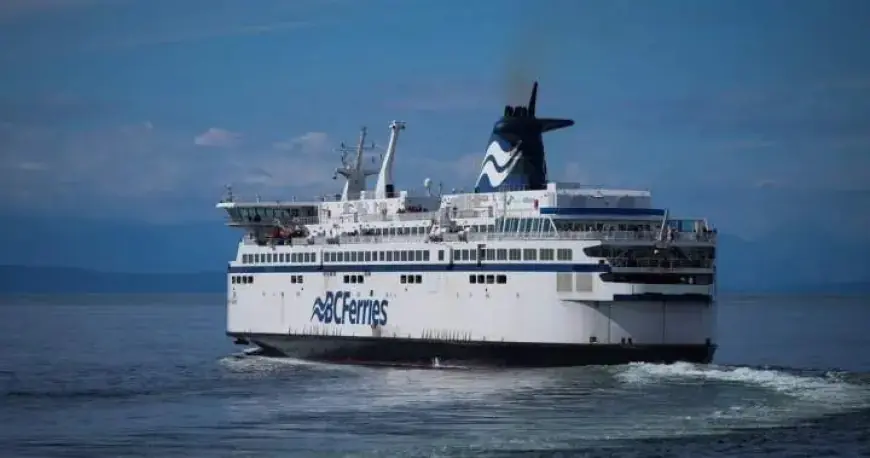
As of Wednesday, BC Ferries announced a fare increase of 3.2% for its passengers. This adjustment comes on the heels of challenges faced over the recent Easter long weekend.
Details of the Fare Increase
Starting from Wednesday, the cost for a car and driver sailing between Tsawwassen and Swartz Bay will rise by $5. The new standard fare for this route, when a reservation is made, will be $110 each way. BC Ferries’ CEO, Nicolas Jimenez, stated that these fare adjustments were predetermined several years ago to ensure that operations remain sustainable.
Leadership and Subsidy Issues
Both Jimenez and British Columbia’s Transportation Minister, Mike Farnworth, have urged the federal government to provide subsidies to BC Ferries that match the support given to eastern ferry operations.
- B.C. currently receives approximately 3% in federal funding.
- In July, Prime Minister Mark Carney announced a 50% fare cut for Eastern Canada ferry services.
- These services include routes serving Prince Edward Island, Nova Scotia, New Brunswick, Quebec, and Newfoundland.
Premier David Eby criticized the disparity, noting that substantial new subsidies for Eastern ferries while BC ferries remain underfunded is indicative of “structural unfairness.”
Operational Challenges and Management Concerns
Alongside the fare increase, BC Ferries is facing scrutiny regarding its management structure. A review of operations following the recent long weekend disruptions is currently underway. Union leaders, including Eric McNeely from the BC Ferry and Marine Workers’ Union, have expressed concerns about the organization’s escalating management levels compared to the static number of vessels.
Compensation Disparities
In the 2025 fiscal year, Jimenez’s total compensation was reported at $530,000, which included $15,000 allocated for housing. While Jimenez resides in North Vancouver, his work requires regular travel to Victoria, where the head office is located.
Union representatives are vocal about the imbalance. McNeely remarked on the difficulties faced by terminal workers who struggle to secure full-time employment, contrasting their plight with executive compensation levels. He noted the disconnect between workers’ hardships and the earnings of executives.
Structural Issues in Ferry Operations
The current operational model, instituted by the BC Liberals in 2003, features complex bureaucratic layers. This includes two separate boards with a combined total of 19 directors. Notably, the fare increases will not affect these board members, as they and their immediate family members can sail for free.
As BC Ferries navigates these fare adjustments amid ongoing concerns over its operational effectiveness and management funding, the conversation surrounding equitable treatment and support for ferry operations in B.C. continues to unfold.