






















IEA Chief: Current Energy Crisis Surpasses 1973, 1979, and 2022 Events Combined

The current energy crisis, as highlighted by Fatih Birol, Executive Director of the International Energy Agency (IEA), is unprecedented. It surpasses the combined oil and gas crises of 1973, 1979, and 2022. The ongoing turmoil is primarily due to significant supply shocks originating from the Middle East.
Historical Context of Energy Crises
Comparing past energy challenges illustrates the severity of the current situation. The crises of the 1970s were notable for their disruptions in oil supply, but today’s challenges are on a larger scale.
Impact on Developed and Developing Economies
- Developed economies face rising inflation and supply chain issues.
- Emerging markets see even harsher impacts, with soaring energy and food prices.
Strategic Responses to the Crisis
Earlier this month, the IEA initiated the most extensive coordinated release of oil stocks in its history. This action aims to address the supply gap resulting from the ongoing conflict affecting the Strait of Hormuz.
Details of the Oil Release
The IEA’s current emergency plan involves the release of 400 million barrels of oil. This strategy is the largest since the organization was founded during the Arab oil embargo in the 1970s.
Market Adjustments
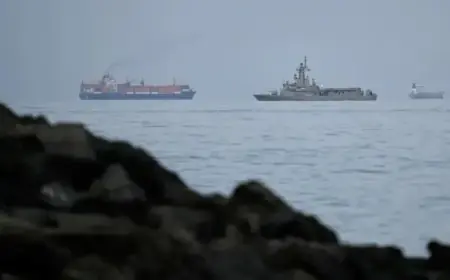
The release is still being processed, with actual supplies beginning to reach the market. The agency recently warned that the Middle East conflict is causing a historic supply disruption, as approximately 20 million barrels per day are now barely flowing through the Strait of Hormuz.
Production Cuts and Supply Chain Challenges
Due to the halted shipping traffic and limited alternatives, Gulf countries have reduced total oil production by over 11 million barrels per day. The IEA noted that without a swift resumption of maritime shipping, losses in oil supply will likely escalate.
This energy crisis, layered with historical precedence, presents significant challenges for economies worldwide. The measures taken by the IEA could shape the oil market’s future during this tumultuous period.