






















US-Iran Ceasefire Reopens Hormuz, Triggering Oil Price Drop


Recent developments in the Middle East have impacted global oil markets significantly. A two-week ceasefire in Iran, announced by U.S. President Donald Trump, has resulted in a sharp decline in oil prices. Energy analysts believe this ceasefire could signal relief for consumers facing record-high petrol and diesel prices, particularly in Australia.
Ceasefire Leads to Oil Price Drop
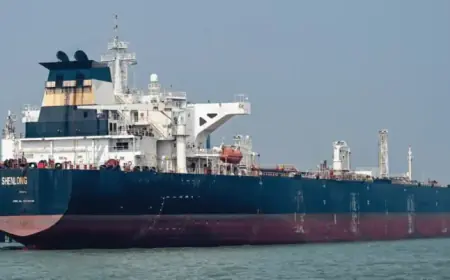
Following Trump’s announcement, Brent crude oil prices plummeted over 15%, falling below $91 a barrel. In the United States, West Texas Intermediate saw a decrease of more than 16%. The ceasefire and Iran’s commitment to allow safe passage through the Strait of Hormuz, a crucial oil shipping route, are seen as potential turning points for energy markets.
Impact on Australian Fuel Prices
The prolonged conflict in the region had previously disrupted up to 20% of global oil supplies, leading to unprecedented fuel prices in Australia, with averages surpassing $2.50 per liter for regular unleaded petrol. Experts suggest that if the current price drop persists, it could translate to lower retail prices at Australian petrol stations.
- Every $10 decline in oil prices may cut prices by 10 cents per liter for Australian consumers.
- A major industry figure, Peter Khoury, described the ceasefire as potentially marking the “beginning of the end” for high petrol prices.
Future Market Expectations
Despite the optimism surrounding the ceasefire, analysts caution that the damage to global oil markets may endure long after the conflict has ended. An estimated reduction of 3 to 5 million barrels per day in oil supply could persist compared to pre-war levels due to infrastructural damage in oil-exporting facilities.
Saul Kavonic, an energy analyst at MST Financial, emphasized that even a peace agreement may not restore the market to previous standards for some time. Safe transit through the Strait of Hormuz relies on coordination with Iran’s military, as stated by Iranian Foreign Minister Seyed Abbas Araghchi.
Currency and Commodity Market Reactions
The ceasefire has also influenced currency markets, with the Australian dollar gaining against the U.S. dollar, rising from below US70 cents to approximately US70.6 cents. Additionally, precious metals like gold and silver have seen price increases as investors react to the potential end of hostilities.
As the situation evolves, the next few days will be crucial for both global oil markets and consumers as they await potential price changes at the pump.