























Historic Oil Disruption Accelerates Global Energy Transition

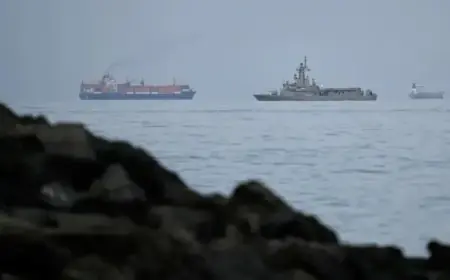
The ongoing closure of the Strait of Hormuz has significantly disrupted global oil supply. For over a month, this vital waterway—responsible for transporting about 20% of the world’s oil and gas—has remained blocked. The effects of this historic oil disruption are being felt far and wide, outstripping those experienced during both the 1973 and 1979 oil crises.
Impact on Global Energy Markets
The current oil disruption marks a critical juncture in global energy dynamics. Despite the severity of the situation, its impact has been less devastating than the crises of the 1970s. This difference is largely attributed to a more diverse energy mix today, which includes a significant increase in renewable energy sources. These developments allow many countries to maintain a degree of energy autonomy.
- Historic Closure: Strait of Hormuz closed for over a month.
- Global Oil Passage: Carries approximately 20% of the world’s oil and gas.
- Disruption Scale: Larger than the combined crises of the 1970s.
Regional Resilience
Certain countries are faring better due to robust renewable energy sectors. For instance, China’s extensive clean energy initiatives and substantial crude reserves offer it a strategic advantage against the backdrop of rising oil prices. Similarly, Spain’s strong solar infrastructure has helped stabilize its energy costs compared to neighboring nations.
Need for Energy Security
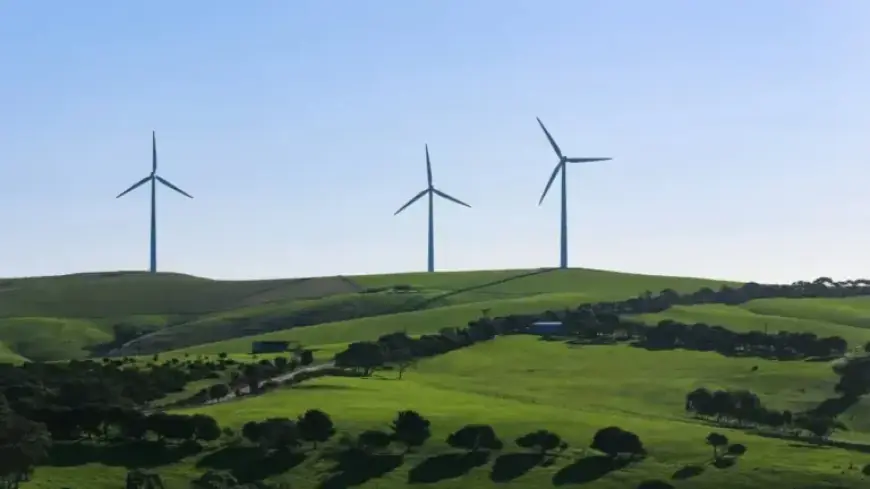
The current geopolitical landscape underscores the necessity for a refined energy security strategy. Clean energy sources such as solar and wind, which can be locally produced, present a stark contrast to the concentrated power held by fossil fuel supply chains. As noted in a recent Forbes report, the current crisis has highlighted the vulnerabilities inherent in the global fossil fuel system.
- Geopolitical Risks: High concentration of economic power in a few locations.
- Resilience through Clean Energy: Clean energy is essential for price stability and security.
Implications for Future Energy Transition
The unfolding energy crisis could act as a catalyst for an accelerated global transition to clean energy. Rising oil and gas prices will pressure countries to shift focus towards renewable sources, which are increasingly cost-effective. This potential transition not only addresses energy security concerns but also promotes economic resilience and climate sustainability.
As countries adapt to the realities of a fluctuating global market, the promotion of renewable energy resources will become more critical than ever. The ongoing situation emphasizes that energy independence is not just beneficial but necessary in today’s interconnected world.