























Jet Fuel Shortage: Impact on Passengers Explained

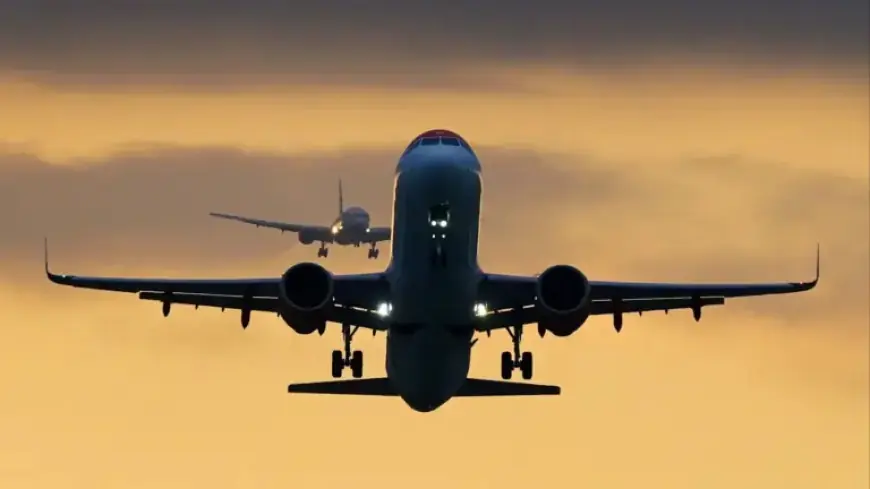
The ongoing conflict in Iran has significant repercussions for the aviation industry. The closure of the Strait of Hormuz by Iran is causing disruptions in oil and gas supplies, leading to soaring fuel prices. As fuel represents the highest operational cost for airlines, the impact of rising prices and potential shortages is profound.
Jet Fuel Shortage: Effects on Airline Operations
Airlines are already feeling the pinch, with some canceling flights to specific destinations, such as Tel Aviv. Concerns are growing that jet fuel shortages could affect summer schedules. Ryanair’s CEO, Michael O’Leary, warned that if the situation remains unresolved, the airline might cancel 5% to 10% of its flights from May to July.
Potential Flight Cancellations
Airlines may not have the luxury of choosing which routes to cancel. The availability of fuel at various airports will dictate operational decisions. O’Leary mentioned that airlines typically receive only a few days’ notice regarding fuel availability, complicating planning efforts.
- Airports Affected: Several airports in Italy, including Bologna, Milan Linate, Treviso, and Venice, have already faced restrictions on fuel supply.
- Rationing Plans: The Italian aviation fuel supplier Air BP has announced fuel rationing, prioritizing longer flights and air ambulance services until April 9.
Travelers are advised to contact their airlines for updates if they have booked flights during this uncertain period.
Statements from Airlines
- Ryanair: O’Leary indicated that if the Iranian conflict persists, major cuts in scheduled flights could be imminent.
- Aurigny: The airline plans to make difficult choices, including canceling specific flights and implementing a temporary £2 fuel surcharge for bookings made from March 20.
- Skybus: Citing rising fuel costs, all Skybus flights between Cornwall and London have been canceled starting April 3.
- Scandinavian Airlines: SAS announced the cancellation of approximately 1,000 flights in March and April due to escalating jet fuel prices.
Sources and Factors Influencing Fuel Availability
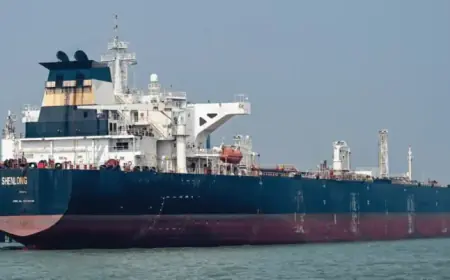
Data from analytics firm Kpler indicates that 18.8 million tonnes of jet fuel were transported through the Strait of Hormuz in the past year, comprising over 20% of global seaborne exports. However, international dynamics are further complicating fuel supply, with countries like China and South Korea imposing restrictions on jet fuel exports.
As a result, tankers are increasingly transporting fuel from the U.S. to Europe, but the volumes are insufficient to cover losses. A maritime analyst, Michelle Bockmann, emphasized that even with an immediate resolution to the Iran conflict, significant shortages are anticipated.
Rising Airfare Costs
As fuel prices surge, travelers can expect to see increases in airfares. James Kelly, head of aviation finance at KPMG Ireland, noted that airlines would likely pass on the higher costs to customers. This trend could lead to a rise in ticket prices in the coming months.
Future of Airline Operations
If fuel shortages persist, airlines might focus on modernizing their fleets. New aircraft and engine technologies can offer fuel efficiency improvements of 15% to 20% compared to older models. However, this transition is not immediate, as procurement processes for new planes can take years, often stretching delivery times into the next decade.
The projections are concerning as the aviation industry navigates this challenging landscape, and the potential ramifications continue to evolve. Passengers are urged to remain vigilant and proactive regarding their travel plans amidst the uncertainties surrounding jet fuel availability.