

























Americans Consider Electric Cars and Reduced Driving to Save Gas

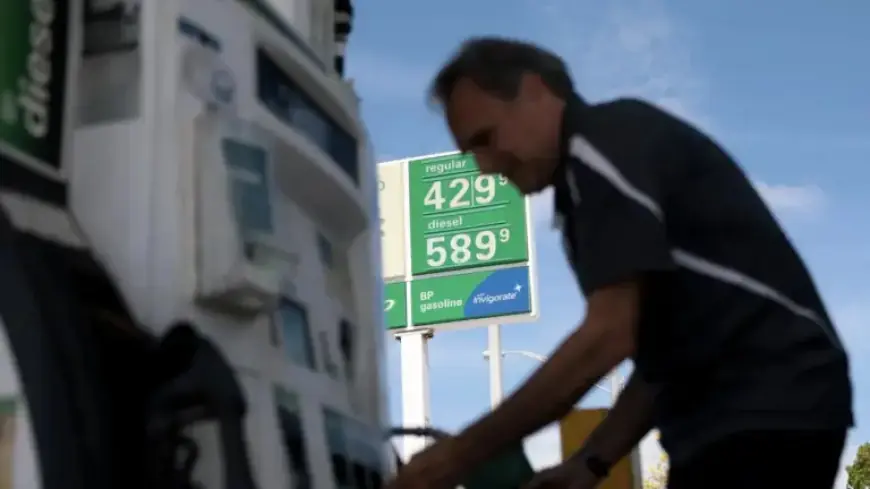
The rise in gasoline prices is prompting many Americans to reconsider their driving habits and vehicle choices. With gas prices exceeding $4 per gallon nationwide, the situation has become increasingly burdensome for car owners. This spike in prices is attributed to geopolitical tensions, notably the ongoing war in Iran, which has disrupted oil supply chains.
Shifting Trends in Driving and Vehicle Preferences
Analytics firm Arity reports that Americans are driving more since the onset of the conflict, despite soaring fuel costs. In light of rising gas prices, many drivers are exploring alternatives to traditional gasoline-powered vehicles.
Increased Interest in Electric Vehicles
- Between early March and late March, EV listings saw a 31% increase on CarGurus.
- Edmunds and CarMax also noted a rise in searches for electric vehicles.
However, the sales figures tell a more complex story. The end of a $7,500 federal tax credit for EVs last fall has dampened sales. Despite this, used EV sales have gained momentum, indicating that higher fuel costs may be boosting demand for electric models.
Potential Savings from Electric Cars
For average drivers, switching to an electric vehicle can yield significant savings. According to Coltura’s co-executive director, Janelle London:
- A driver commuting 15,000 miles annually can save approximately $1,800.
- For those driving 25,000 miles, savings may reach around $3,000 a year.
These estimates demonstrate how much more rewarding the transition to electric can be, especially as gasoline prices continue to rise. Consumers can use Coltura’s online tool to evaluate their personal savings.
Choosing the Right Charging and Vehicle Options
When considering a switch to electric vehicles, several factors need to be considered:
- Can the vehicle be charged at home, or would there be costs associated with installing a faster charger?
- How often do you need to drive, and what type of vehicle will best meet your needs?
Electric vehicles generally require less maintenance, contributing to long-term savings. However, high insurance costs can also influence the overall expense of ownership.
Alternatives to Driving
Some individuals are exploring alternatives to driving altogether. Reports from biking and scooter apps indicate a trend where users are opting for more environmentally friendly modes of transportation. While public transit ridership recently saw a slight decline, year-over-year figures are showing a steady increase.
Rethinking Transportation
For those who work from home or live locally, options like biking or electric scooters can be practical. For instance, one Houston resident switched to an e-bike to reduce costs and enjoy the ride more. He emphasized the convenience of not dealing with traffic and enjoying a more active lifestyle.
Balancing Spending Habits
Interestingly, some people have adapted their spending habits to accommodate higher fuel costs. For instance, a couple living full-time in an RV are prioritizing free attractions to offset their increased fuel budget. They recognize the need to balance their travel expenses with their desire for adventure.
Ultimately, the current economic climate is driving many Americans to rethink their vehicle choices and driving habits. As fuel prices remain elevated, the shift towards electric vehicles and alternative transportation methods is likely to gain further momentum.