
























Assessing Europe’s Intensifying Jet Fuel Crisis

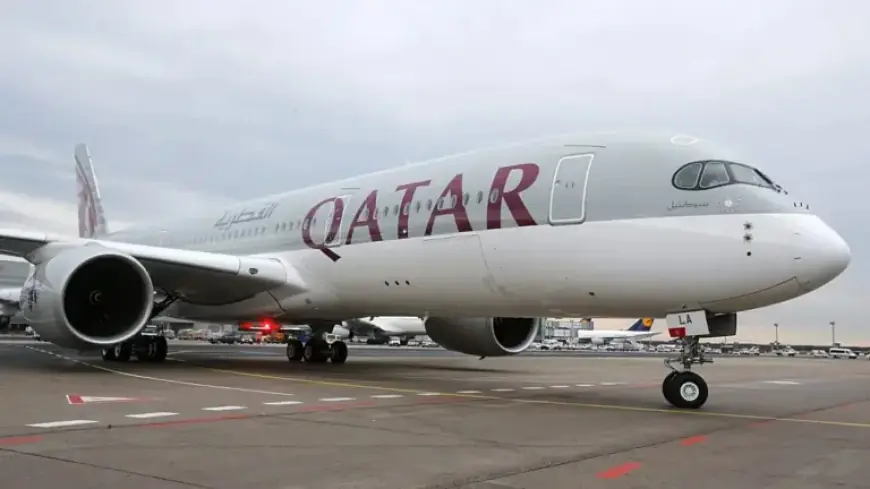
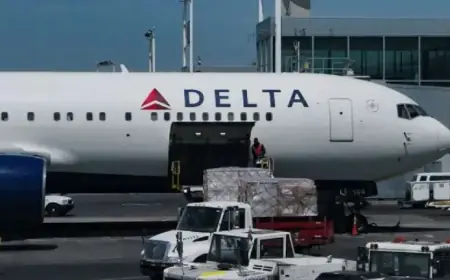
Concerns over a jet fuel crisis in Europe are growing amid ongoing tensions in the Middle East. Recent air travel restrictions at multiple Italian airports have sparked fears that similar situations could occur across the European Union.
Jet Fuel Price Surge Linked to Middle East Conflict
Since the military actions by the United States and Israel against Iran on February 28, jet fuel prices have soared by 95%. This escalation has led to the effective closure of the Strait of Hormuz, a crucial energy trade route responsible for around 20% of global crude oil exports. As a result, global energy markets are under significant pressure.
Impact on European Airlines
The International Energy Agency (IEA) has raised alarms about worsening jet fuel shortages expected in April and May. Scandinavian airline SAS has already announced plans to cancel at least 1,000 flights in April due to these evolving supply issues.
- The closure of the Strait of Hormuz has eliminated over 20% of the typical global seaborne jet fuel supply.
- George Shaw from Kpler emphasized the severe impact on supply, particularly in Europe, where 42% of seaborne imports pass through this chokepoint.
Domestic Refining Capacity and Its Importance
Regions with significant domestic refining capabilities—like Germany, Italy, Spain, and the Netherlands—may experience less severe disruptions. The IEA’s recent release of 400 million barrels of oil on March 11 aims to stabilize supply chains temporarily.
Upcoming Challenges
Analysts predict that the last shipments of jet fuel from the Strait of Hormuz will arrive at European ports around April 10. After this point, supply may diminish substantially unless alternative routes are secured or the chokepoint reopens.
Airline Strategies Amid Rising Costs
As prices continue to rise, airlines may need to implement measures such as increasing fares, adding fuel surcharges, and reducing capacity. Shaw warns that these adjustments will likely decrease demand for air travel.
- Estimates suggest available commercial jet fuel stocks vary by country, with:
- United Kingdom: covers 3 months
- Portugal: covers 4 months
- Hungary: covers 5 months
- Denmark: covers 6 months
- Italy and Germany: covers 7 months
- France and Ireland: covers 8 months
Storing Jet Fuel and Operational Challenges
Anita Mendiratta, a UN Tourism adviser, pointed out the operational difficulties arising from short disruptions, particularly in large airport hubs. Jet fuel cannot be stored in large quantities, relying instead on continuous supply.
Shifting Imports and Production
In March, the U.S. saw its monthly jet fuel exports to Europe peak at nearly 400,000 tonnes. However, this volume is insufficient to meet the higher demand, particularly compared to the 1.4 million tonnes imported by the EU-27 and the UK in May 2025.
Call for Coordination Among EU Member States
The European Commission stated that emergency fuel stocks, including jet fuel, are determined by individual member states. Anna-Kaisa Itkonen emphasized the need for dialogue among EU nations to address current supply levels effectively.
Upcoming meetings will focus on developing a cohesive response to the jet fuel supply crisis, as member states share insights on their situations and potential collaborative measures.