



















Trump Faces Challenges in Forcing Congress to Address DHS Shutdown

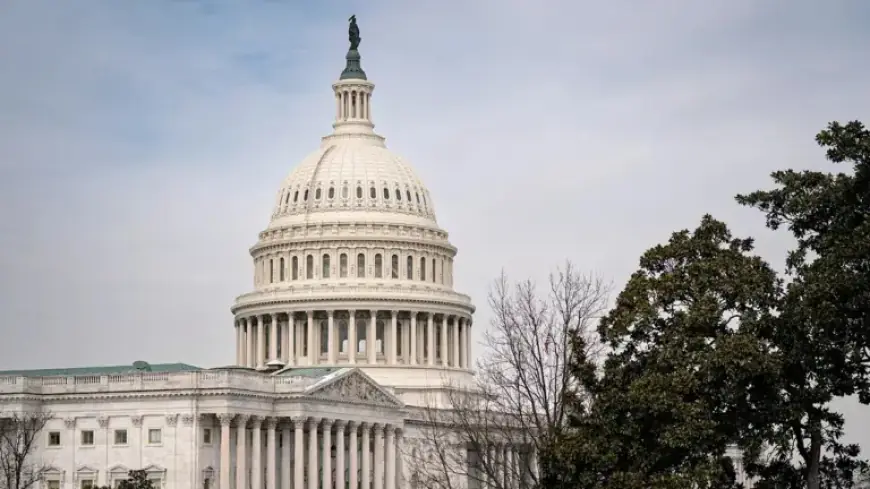
Congress is in the second week of a 16-17 day recess for Easter and Passover. The Department of Homeland Security has been without full funding for nearly two months.
Some GOP lawmakers and conservative activists urged President Trump to call lawmakers back to Washington. They wanted Congress to resolve the DHS funding impasse.
Presidential authority and its limits
The Constitution allows the president to convene one or both chambers on “extraordinary occasions.” This power appears in Article II, Section 3. It gives presidents a tool to seek urgent action.
That tool does not force lawmakers to pass legislation. Article I, Section 5 gives each chamber the right to set its own rules. That limit affects when a president may meaningfully compel attendance.
Historical use of special sessions
American presidents have called special sessions 45 times. Twenty-seven of those calls involved both chambers. George Washington held the first special session in 1791.
Abraham Lincoln summoned Congress after the Fort Sumter attack in 1861. The most recent president to reconvene lawmakers for a formal special session was Harry Truman in 1948.
Truman’s “Turnip Day” session
Truman ordered lawmakers back on July 26, 1948. Historians call it the “Turnip Day Session.” He sought action on education, energy and housing. Lawmakers approved only two bills.
Constitutional precedent and modern practice
In past centuries, Congress often adjourned for months. The Founders gave the president recall power for crises. What qualifies as “extraordinary” remains vague.
Modern Congress meets pro forma every few days. These brief meetings preserve the capacity to conduct business. That posture complicates any presidential effort to declare lawmakers absent.
The 2014 Supreme Court decision in NLRB v. Canning affirmed that point. The Court ruled 9-0 that pro forma sessions count as session time. Justice Stephen Breyer wrote the opinion.
How that affects the current DHS dispute
Pro forma sessions meant the president cannot easily treat Congress as out of session. That legal reality weakens attempts at forcing lawmakers home.
Senate Majority Leader John Thune, a Republican from South Dakota, advanced the Senate’s DHS funding plan during a pro forma meeting. That action underscores the Senate’s capacity to act.
Some House conservatives urged the Senate to use a pro forma meeting to pass the House-approved DHS bill. The move showed pressure remained inside Capitol Hill.
Practical politics and next steps
Trump faces both legal and practical challenges when trying to force lawmakers back to Washington. The combination of constitutional limits and pro forma sessions makes recall difficult.
Ultimately, the choice to reconvene remains political. The president can call a special session. But constitutional rules and Senate and House procedures shape the outcome.
Filmogaz.com reporting contributed to this analysis.