









JD Vance Joins Critical US-Iran Mediation Amid US-Israel Tensions

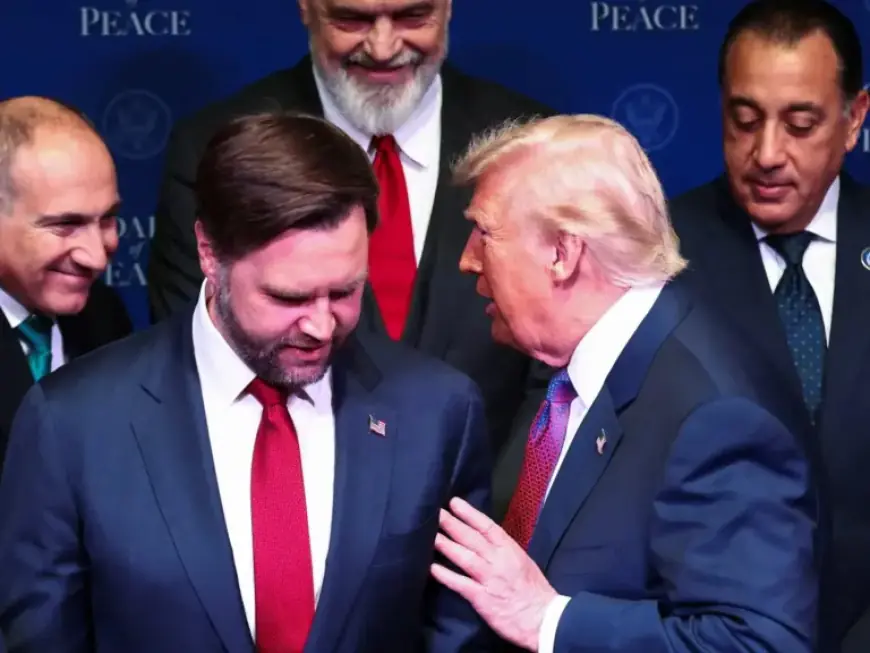
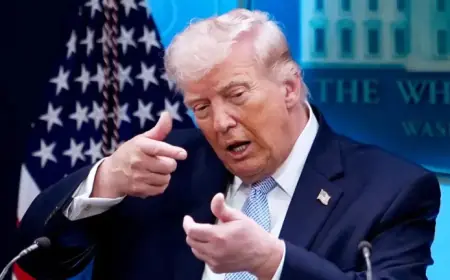
In a rapidly evolving geopolitical landscape, U.S. Vice President JD Vance has emerged as a pivotal figure in ongoing U.S.-Iran mediation efforts. This comes amid escalating tensions not only between the U.S. and Iran but also involving Israel. President Donald Trump publicly acknowledged Vance’s involvement during a press briefing, emphasizing his role in diplomatic negotiations.
Key Background on U.S.-Iran Mediation
The efforts to mediate peace between the U.S. and Iran have intensified since late March 2023. Pakistan has taken the lead in facilitating discussions, striving to de-escalate ongoing hostilities. High-level communications have occurred between U.S. officials, including Vance, and Iranian representatives.
- Key Dates:
- March 19: Initial consultations in Riyadh.
- March 26: Trump formally acknowledges Vance’s mediation role.
- March 29: Meeting of foreign ministers in Islamabad.
The Diplomatic Push
Sources indicate that Vance has engaged in direct talks with key Iranian leaders, although initial meetings were postponed at Tehran’s request. Nonetheless, the discussions led to Iran receiving a ceasefire proposal, opening avenues for potential negotiations. However, Iran ultimately rejected the proposal, citing its illogical nature.
Iran’s Perspective on JD Vance
Iran seems to regard Vance differently compared to other U.S. officials. His previous opposition to direct military engagement has marked him as a more favorable negotiator from Iran’s standpoint. Analysts suggest that the dynamics within Iran’s political hierarchy are also influencing this preference, especially following the assassination of Supreme Leader Ali Khamenei, which shifted power towards military factions.
Future Implications
As he navigates these complex negotiations, Vance faces a significant balancing act. He is perceived as a frontrunner for the 2028 Republican presidential nomination. His actions may impact not only U.S.-Iran relations but also his political future within the Republican Party.
- Challenges Ahead:
- Maintaining loyalty to Trump while advocating for diplomatic solutions.
- Potential backlash from supporters of the military engagement in the region.
As tensions mount, the upcoming days will be crucial for gauging the effectiveness of Vance’s influence in securing a ceasefire and ultimately, a peace agreement. The stakes are high, and the pathway towards dialogue remains fraught with challenges.