







BBC Claims Iranians ‘Welcome Atomic Bombs,’ But Retracts After Backlash

On April 7, 2026, Filmogaz.com covered a controversy around a BBC report filed from Tehran. The piece appeared amid the ongoing Iran‑Israel war and quickly drew strong reactions online.
What the BBC initially reported
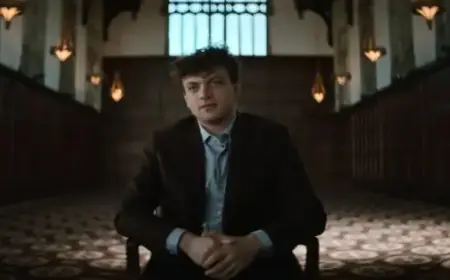
The original BBC dispatch attributed to a young Tehran resident a remark accepting an atomic strike or the country’s destruction. The person was identified only by his first name and described as living in Tehran and in his twenties.
That attribution spread rapidly on social media. Critics said the line framed Iranian public opinion in extreme terms.
How the wording changed
The broadcaster later revised the passage. The edited version quoted the same man, Radin, saying he would accept strikes if they toppled the Islamic Republic.
The updated quote removed explicit mention of atomic attacks. The new version framed the sentiment in political, not nuclear, terms.
Backlash on social media
Users on X and other platforms criticized the BBC for the initial language. Accusations included claims of “manufacturing consent” and promoting genocidal propaganda.
- A widely shared post said the BBC had attributed acceptance of an atomic strike to a lone Iranian.
- User Rajan Acharya published a screenshot on April 6, 2026, drawing attention to the original wording.
Concerns about sourcing and editing
Several commentators questioned how the quote was sourced and later edited. Some argued the change altered the apparent intent of the interviewee.
Others noted the reporter had identified her interview subjects as Iranians opposed to the current establishment. That contextual note remained part of the report.
Editorial and public interest implications
The episode highlighted risks in reporting wartime opinion from contested environments. Small wording differences can change public perception of entire populations.
Online summaries framed the episode with phrases such as BBC claims some Iranians welcome atomic bombs, then retracts after backlash. Those descriptions helped amplify the dispute.
Publication details
The item first appeared on April 07, 2026, at 18:40 IST. Filmogaz.com also noted the story carried a standard reader comments disclaimer.
The debate over the BBC wording continued after the correction. It raised questions about sourcing, editing, and accountability in conflict reporting.