

























JP Morgan Plans Canary Wharf’s Tallest Tower, Pending Tax Incentive

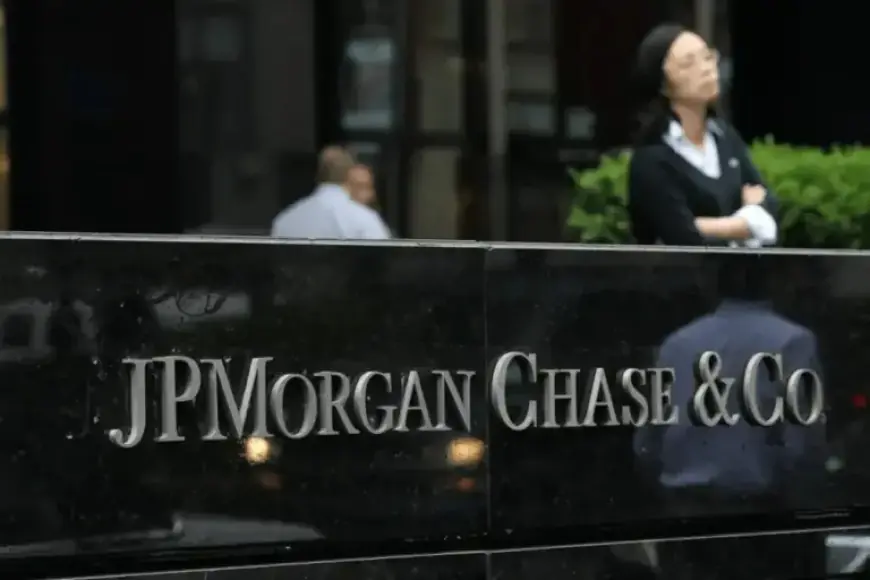
JP Morgan has announced a major development in London: the construction of Canary Wharf’s tallest tower. This ambitious £3 billion project comes after the recent Budget announcement and is set to elevate the financial skyline.
Details of the Tower
The proposed tower will rise to an impressive height of 265 meters, surpassing the current tallest building in the area, One Canada Square, which stands at 235 meters. JP Morgan’s new structure will encompass 3 million square feet and serve as the bank’s primary headquarters in the UK as well as its largest facility across Europe, the Middle East, and Africa.
Investment and Economic Impact
- The project is expected to inject up to £10 billion into the local economy.
- Approximately 7,800 jobs will be created during the construction phase and in associated local industries.
- Once operational, the tower will house up to 12,000 employees.
Height Restrictions and Lobbying for Tax Incentives
JP Morgan has been in discussions with London City Airport regarding height restrictions due to proximity regulations. After negotiations, both parties agreed on a maximum height of 265 meters. However, the bank has emphasized that the construction of the skyscraper is contingent upon favorable tax incentives from the government.
The UK Treasury is considering a business rates discount of up to 100% to support this significant investment. Reports from Tower Hamlets local council indicate that JP Morgan has actively lobbied for these incentives over multiple years.
Concerns Over Fairness
Context and Industry Response
The announcement of the tower comes during a period of renewed investment from financial institutions following the Chancellor’s Budget announcement. Barclays, another major player, has also committed to enhancing support for UK businesses with an additional £45 billion in lending.
As the financial sector navigates these developments, Rachel Reeves, a key political figure involved in the discussions, views JP Morgan’s investment as a strong endorsement of the UK economy, despite ongoing debates about the implications of tax incentives.