






















U.S. Lawmakers Condemn Impact of Energy Blockade’s ‘Economic Bombing’ on Cuba

Following an official visit to Cuba, two U.S. lawmakers have voiced strong condemnation of the ongoing energy blockade imposed on the island. This visit highlighted the detrimental impact of the blockade on Cuba’s economy and its citizens.
U.S. Lawmakers Address Economic Bombing in Cuba
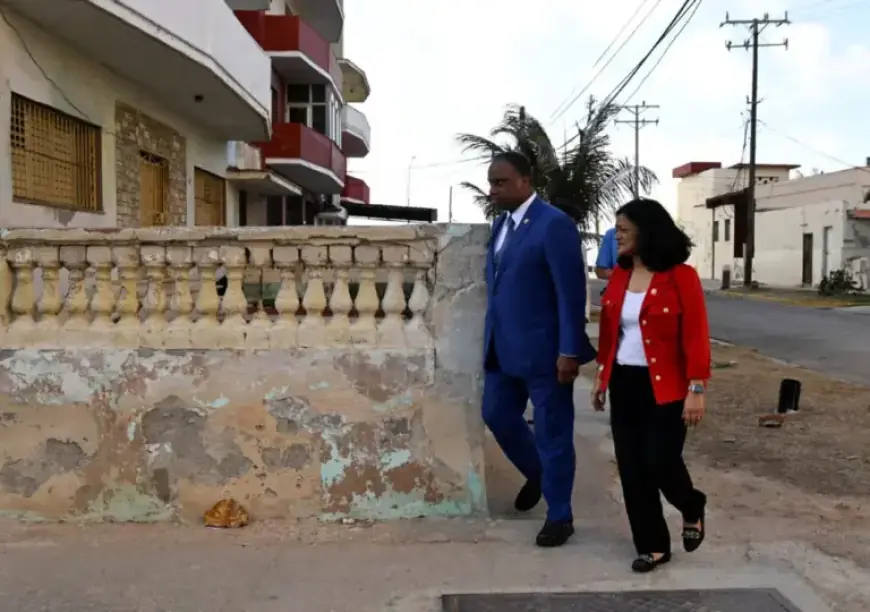
Democratic Representatives Pramila Jayapal and Jonathan Jackson recently concluded a five-day trip to Cuba, where they engaged in discussions with Cuba’s President, Miguel Díaz-Canel, and other government officials. The purpose of their visit was to assess the effects of the U.S. energy blockade, described by Jayapal and Jackson as an ‘economic bombing’ of Cuba’s infrastructure.
Calls for Immediate Action
In a statement released after their meetings, Jayapal and Jackson expressed urgent concerns over the blockade’s harsh repercussions. They stated, “This is cruel collective punishment that has produced permanent damage. It must stop immediately.”
Conditions in Cuba
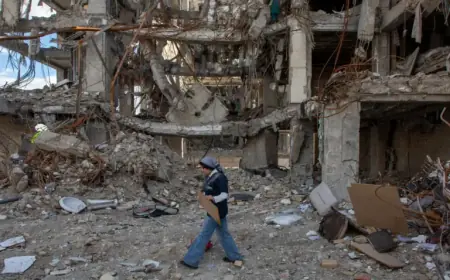
The energy blockade has exacerbated the economic crisis in Cuba, which has suffered for over five years. The consequences include:
- National blackouts
- Gasoline shortages and rationing
- Lack of public transportation
- Suspension of flights
- Challenges in healthcare services, including surgeries
Energy Supply Challenges
Cuba produces only 40% of its oil needs. Recently, a Russian ship delivered 730,000 barrels of crude oil to the island, marking the first shipment in three months. This delivery is expected to meet the country’s daily demand for approximately nine to ten days. However, U.S. sanctions remain a significant hurdle.
Diplomatic Engagement
President Díaz-Canel described the blockade as committing ‘criminal damage’ to Cuba and reiterated the government’s commitment to engage in bilateral dialogue with the U.S. Jayapal reflected on Cuba’s recent policy changes, including a partial opening of the economy to Cuban Americans and the upcoming pardoning of over 2,000 prisoners, emphasizing the potential for serious negotiations between the two nations.
Future Initiatives
Following their trip, Jayapal and Jackson plan to compile a report outlining initiatives from the House of Representatives aimed at lifting sanctions against Cuba. They believe that such measures are essential for alleviating the humanitarian crisis currently affecting the island.
As discussions between the U.S. and Cuba continue, the call for more constructive engagement echoes the sentiment that lifting the blockade could benefit both nations. The ongoing humanitarian situation remains a critical concern as lawmakers advocate for change.