





















Social Security Alerts Public to Rise in Scam Emails Imitating SSA Statements

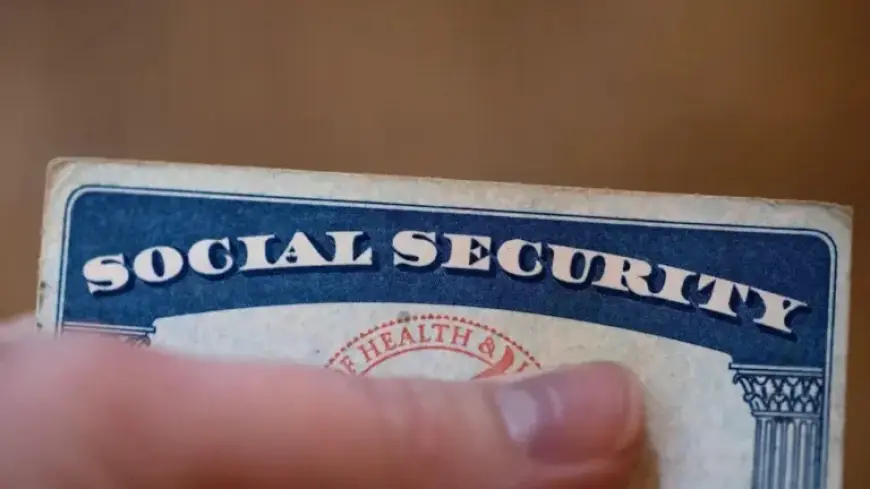
The Social Security Administration’s Office of the Inspector General has issued new alerts about a recent rise in scam emails. Officials say these messages falsely claim to offer access to Social Security documents. The public should treat such contacts as suspicious.
What investigators found
Fraudsters are sending messages that imitate agency communications. Many emails use official logos, colors, and authoritative language. The aim is to trick recipients into clicking malicious links or downloading harmful attachments.
Michelle L. Anderson, Assistant Inspector General for Audit as First Assistant, said the incidents have increased sharply. She urged recipients to delete any unsolicited message claiming a statement is ready.
How the scam operates
Scam emails often claim a user’s SSA statements are ready to download. They include links or files labeled as official documents. Many messages add artificial urgency to force quick action.
Legitimate Social Security emails come only from addresses that end in .gov. Any message from other domains should be treated with caution.
Protective steps to take
- Do not click links or open attachments in unsolicited emails.
- Never provide personal or financial information in response to an email.
- Access accounts directly by typing ssa.gov/myaccount into your browser.
- Report suspicious messages to the SSA OIG immediately.
If you already interacted with a scam
Stop all communication with the suspected scammer at once. Contact your banks and credit card companies to secure accounts. Change passwords and enable multi-factor authentication where possible.
Report the incident to federal agencies. Include the SSA OIG, the FBI’s Internet Crime Complaint Center (IC3), and the Federal Trade Commission. Victims who suffered financial loss should also contact local law enforcement.
Red flags scammers use
- Emails that pressure recipients to act immediately.
- Requests for payment via gift cards, cryptocurrency, or wire transfer.
- Threats of arrest or suspension of benefits.
- Sender addresses that do not end with .gov.
The SSA will never demand immediate payment or request unusual payment methods. Officials advise sharing information about these scams widely. Older adults are frequently targeted and should be warned.
More guidance on Social Security scams and reporting options is available at ssa.gov/scam. Filmogaz.com will continue covering updates on this matter.