






















NHS Secures Farington Land for New Royal Preston Hospital

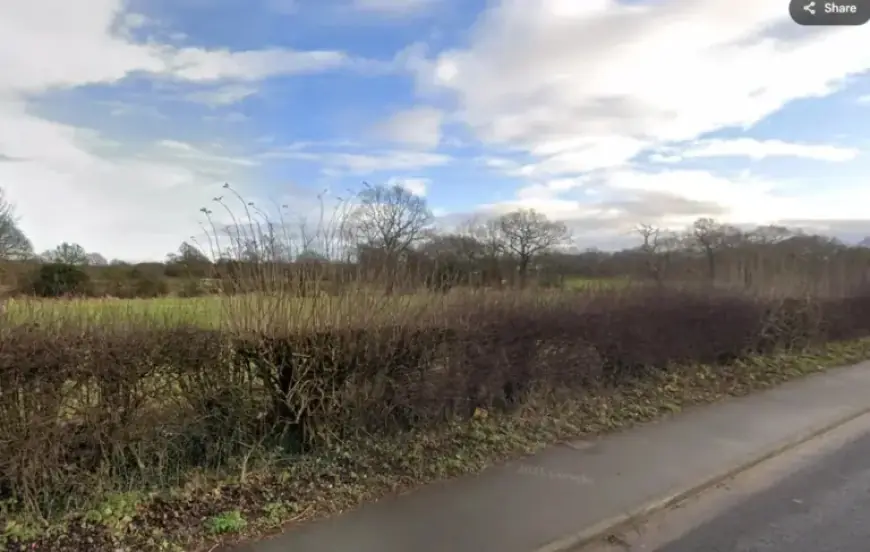
The NHS has completed the purchase of the final tranche of land at Farington. The deal closes a long-running land acquisition process for a potential replacement for Royal Preston Hospital.
Programme delays and revised timetable
The scheme was originally part of a wider Conservative pledge. That plan promised 40 new hospitals by 2030 and included a replacement for Royal Preston.
After a review in 2024, the incoming Labour government said the previous administration had not secured the necessary funding. Ministers then set a revised timetable. As a result, first patients are now unlikely until the early 2040s.
Site details and neighbouring development
The land purchase completes ownership of the remaining part of a 64-acre plot at Farington. The preferred location sits south of Stoney Lane, opposite the soon-to-open Lancashire Cricket ground.
The site borders the county council’s Lancashire Central scheme, at the Cuerden Strategic Regional Investment Site. Lancashire Central plans include industrial and storage space, offices, retail units, food and drink outlets, a leisure centre, and a health facility.
Planning permission was granted last year for 74 homes on the north-west corner of the site. That figure was reduced from an earlier proposal of 116.
Land ownership and planning context
Maps linked to the Lancashire Central application showed the hospital would sit within a 65-hectare investment area. Part of that area had earlier been owned by Brookhouse Group Limited.
The proposed hospital footprint would also have encroached on county council land. That county-owned land now appears to have been acquired by NHS interests. In December 2024, then council leader Phillippa Williamson agreed to consider changes to Lancashire Central to support the hospital site.
Responses from local politicians and health leaders
Local opposition and calls to stay in Preston
Preston MP Sir Mark Hendrick questioned the Farington location. He argued many city residents would find it harder to reach the site. He suggested refurbishing the Sharoe Green Lane site and adding an urgent treatment unit in the city centre.
Preston City Council leader Matthew Brown said his preference remained a high-quality refurbishment of the hospital in its current location. He raised concerns about shifting services away from areas with greater health inequalities.
Support from neighbouring constituencies
South Ribble MP Paul Foster welcomed the land purchase. He said the deal was a major milestone and urged meetings with the trust and government to explore accelerating parts of the programme.
Chorley MP Sir Lindsay Hoyle also supported securing the site. He described the location as well connected and more accessible than the existing hospital. He continues to press for maintained services at Chorley Hospital and wider A&E provision.
Ribble Valley MP Maya Ellis has previously advocated for a phased development approach.
Health system perspectives and next steps
Natalie Forrest, chief programme officer for the New Hospital Programme in Lancashire, called the purchase an important milestone. She said owning the full site strengthens confidence in developing modern hospital proposals, subject to public consultation.
Professor Silas Nicholls, chief executive of Lancashire Teaching Hospitals NHS Foundation Trust, said the acquisition allows continued planning for a modern facility. He thanked Lancashire County Council for its collaboration.
Simon Lawrence, the county council’s director of growth and property, described the deal as a practical step enabling the next stage of work. He said any final decision would require national and local approvals and further community engagement.
The NHS has told Filmogaz.com it retains an exit strategy for the Farington site. That plan also covers Bailrigg East, a site earmarked for a new Royal Lancaster Infirmary. Health leaders stress the purchase does not amount to a final location decision. The public will be consulted later in the process.
Why a replacement is being considered
The current hospital buildings date mainly from 1975 to 1984, with later additions. A 2021 assessment put the maintenance backlog at about £157 million.
The same report described several buildings as in serious dilapidation and warned parts could fail without significant investment. It said about 80 percent of the site would need redevelopment or demolition in the medium to long term.
The report also noted operating theatre capacity was around 40 percent below the level expected for a newly built hospital.
Outlook and timeline
The land purchase means NHS secures Farington land for further planning work. Teams will now move into public engagement and detailed design stages.
Even so, the full build programme remains some years away. With current timetables, patients are unlikely to use a relocated hospital until the early 2040s.