





















Iran Challenges Trump’s Resolve

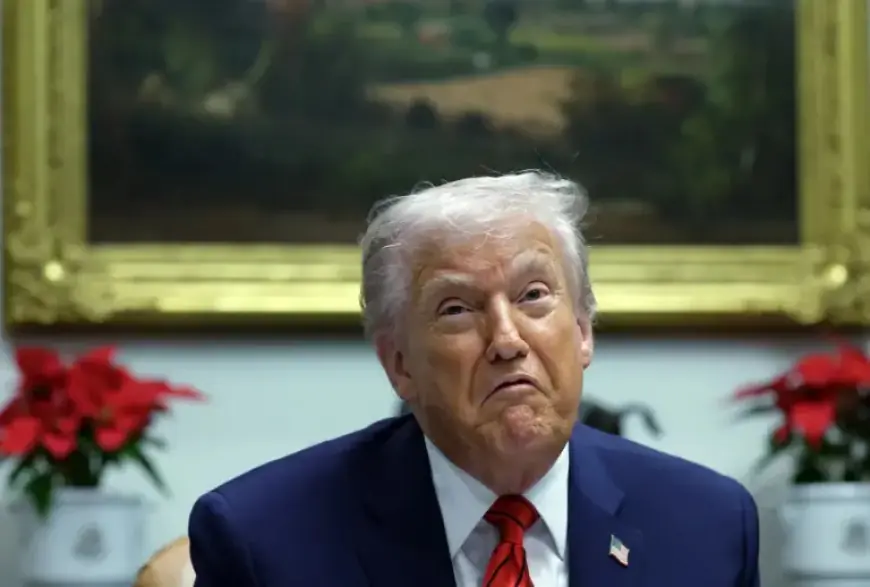
Recent developments in U.S.-Iran relations highlight the challenges facing President Donald Trump as he navigates a contentious political landscape. Despite Trump’s attempts to reassure the nation about an ongoing conflict with Iran, many perceive his efforts as increasingly desperate.
Trump’s Struggling War Strategy
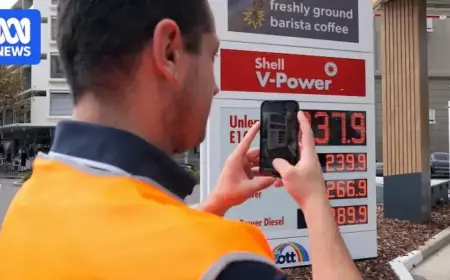
During a national address, Trump aimed to unify Americans behind his military actions in Iran. Instead, he appeared disheartened, struggling to remain optimistic about the situation. His conflicting messages about the war’s imminent conclusion and threats to escalate actions against Iran have led to increased oil prices.
Supreme Court Tensions
In addition to foreign policy issues, Trump faced significant challenges at home. On the same day as his address, he made headlines by attending a Supreme Court session that discussed birthright citizenship. This judicial review was seen as critical, as early reactions indicated the court may not support Trump’s efforts to undermine the 14th Amendment.
Economic Ramifications
- Trump’s speech led to a spike in oil prices, worrying investors.
- The stock market is experiencing downturns as confidence wanes among economic stakeholders.
Moreover, the political fallout from the Iran conflict is contributing to Trump’s declining approval ratings, which have recently dropped among both general voters and Republicans. A CNN poll revealed that 64% of voters now disapprove of Trump’s performance, marking a significant shift in public sentiment.
Cultural Distractions
To divert attention from pressing international issues, Trump has focused on domestic cultural battles, including proposed changes to immigration laws. Staff members have rallied support for controversial legislation aimed at altering citizenship rights for children born to immigrants.
- Stephen Miller, Deputy Chief of Staff, harshly criticized the 14th Amendment.
- Trump labeled this constitutional safeguard as “stupid” on social media.
Such efforts, however, have not resonated as effectively as Trump had hoped. The SAVE Act, designed to restrict voting rights, has largely failed to capture media focus compared to the ongoing crisis in Iran. The lack of engagement from the Republican base suggests that issues like economic stability and foreign conflict remain paramount.
Future Implications
With Trump’s approval ratings plummeting, the political stakes become even higher. As public attention remains riveted on the ramifications of the Iran war, Trump’s strategy of leveraging cultural conflicts may not be sufficient to regain lost ground. Additionally, the 2024 elections loom, placing pressure on him to refocus and energize his support base.
The coming weeks will be crucial in determining how Trump manages these compounding challenges. His ability to articulate a coherent strategy regarding Iran while addressing domestic concerns could define his presidency as the political landscape continues to evolve.