

























Alberta Town Implements DIY Strategy to Solve Livestock Vet Shortage

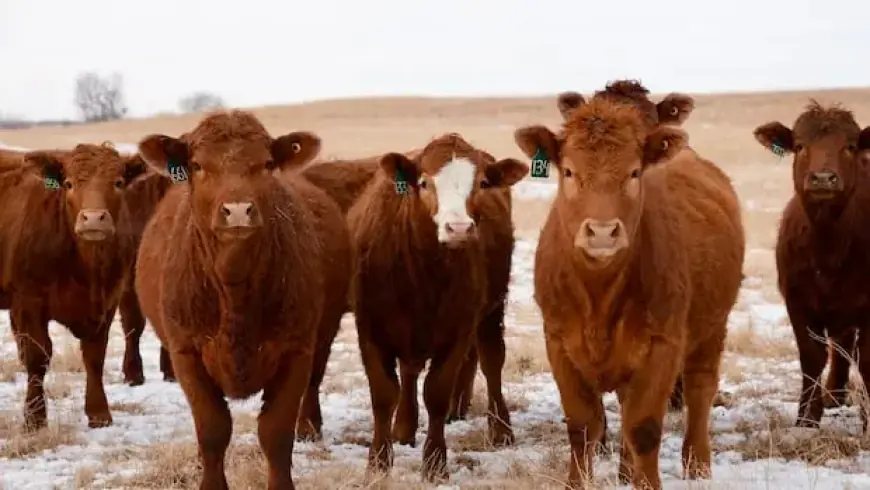
In rural Alberta, the challenge of accessing veterinary care poses significant concerns for ranchers, especially during critical periods like calving season. Calvin Bishell, who operates a family ranch in Veteran, Alberta, emphasizes the urgency of ensuring animal health amid rising cattle prices. Paintearth County, where Bishell’s ranch is located, has joined forces with the Town of Coronation to address the veterinarian shortage in their region.
Creative Solutions to Vet Shortage
To combat the scarcity of veterinary services, Paintearth County collaborated with the Paintearth Economic Partnership Society. This partnership includes neighboring municipalities like Castor and Halkirk. They repurposed a former pipeline facility, investing approximately $55,000 to equip it with essential cattle-handling tools and secure a license for veterinary services. The clinic officially opened its doors in February 2026.
Community Impact and Future Plans
This innovative clinic aims to attract a full-time veterinarian to the area. Stan Schulmeister, the Reeve of Paintearth County, stated that the facility’s unique licensing allows it to be used by other veterinarians. He believes this approach will alleviate some challenges for young veterinarians entering the field.
Despite the mobile vet service from nearby Castor, the absence of a static clinic limited options. The local community has expressed mixed reactions to the investment in the new facility, highlighting the necessity for accessible veterinary care.
- Date Opened: February 2026
- Investment: $55,000
- Distance to Nearest Clinic: 100 kilometers
- Current Vet Workforce Shortage: 380 veterinarians short in Alberta
Personal Experiences Reflect Broader Challenges
Veterinarian Dr. Colin Nicholas, who assisted in getting the clinic licensed, operates Nomad Veterinary Services. Located about 45 kilometers from Red Deer, he experiences the difficulties faced by rural veterinarians daily. Dr. Nicholas noted that the clinic would dramatically reduce travel time for emergency situations, which is vital for addressing urgent veterinary needs.
Ranchers like Bishell often face long hours traveling for veterinary assistance. He recounted a harrowing experience three years prior, which involved a two and a half hour trip in poor weather conditions to save a calving cow. Such instances underscore the pressing need for reliable local veterinary services.
Future of Veterinary Services in Alberta
Amidst the veterinarian shortage, ongoing initiatives aim to improve the situation. Agriculture and Irrigation Minister RJ Sigurdson recently noted that the University of Calgary’s veterinary program doubled its intake, expanding from 50 to 100 seats annually. This will increase the number of qualified veterinarians in the coming years.
The Alberta Veterinary Medical Association (ABVMA) also reported plans to recruit international veterinarians to fill gaps in rural healthcare, which increased international veterinary registrations by 29 percent. Dr. Megan Bergman of ABVMA emphasized the urgency of the current crisis, projecting up to 2,260 veterinarian vacancies by 2035.
The Coronation clinic’s innovative approach serves as an inspiring model for other communities facing similar challenges. By thinking creatively and collaboratively, these communities could pave the way for enhanced veterinary care in rural Alberta.