






















Iran and US Contemplate 45-Day Ceasefire Amid Conflict, Reports Say

Major developments have unfolded across the Middle East overnight. Diplomatic channels, military strikes and maritime movements all moved the crisis forward.
Ceasefire proposal and mediation efforts
Regional mediators transmitted a framework to Tehran and Washington overnight. Pakistan acted as the primary communication channel in the exchanges.
Pakistan’s army chief reportedly spoke by phone with the US vice president, a US special envoy and Iran’s foreign minister. The outline would activate an immediate truce and reopen the Strait of Hormuz. Under the plan, negotiators would use 15 to 20 days to negotiate a broader settlement.
US Contemplate 45-Day Ceasefire Amid Conflict, Reports Say has been cited in media accounts describing the proposal. Officials were said to need rapid agreement for the framework to take effect.
Strait of Hormuz and diplomatic brinkmanship
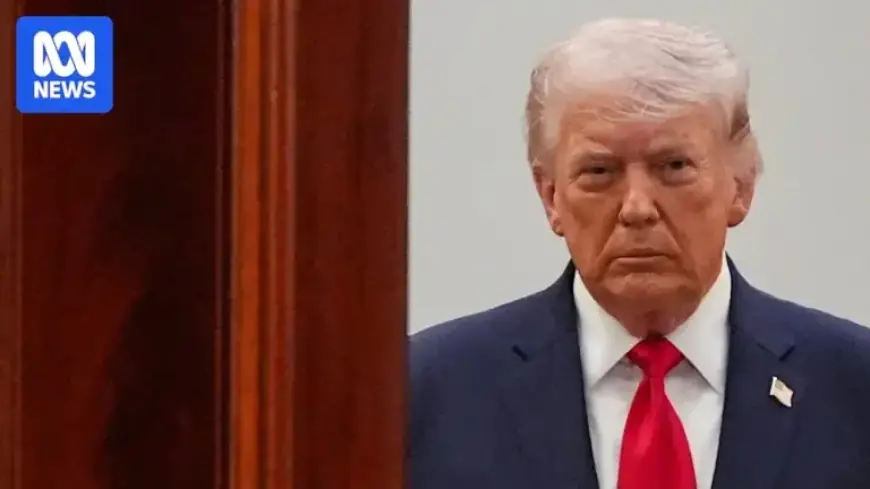
The US president issued a public ultimatum demanding the strait be reopened. He warned he had left very little off the table to end hostilities.
Iran’s Revolutionary Guard signalled it was preparing a new order in the Persian Gulf. A senior Iranian official rejected reopening the strait in exchange for a temporary ceasefire.
Iran’s deputy foreign minister accused the US president of threatening attacks on civilian infrastructure. He argued those threats could violate international law, citing provisions of the Rome Statute.
Strikes, casualties and battlefield developments
US-Israeli strikes killed the intelligence chief of Iran’s Revolutionary Guards, the Guards announced. The commander was named as Major General Majid Khademi.
Israel’s military reported completing waves of strikes on targets in Tehran. Iranian media also showed images that purportedly depicted US aircraft damaged during a rescue operation.
Reports described a complex rescue after a US fighter jet was downed. A pilot was recovered quickly, while a second crew member remained missing amid subsequent recovery efforts.
Regional attacks and civilian harm
Projectiles were launched from Iran toward Israel, and strikes struck Lebanese and Israeli population centres. Emergency services in Israel reported multiple shrapnel injuries.
Rescuers recovered two bodies after a residential building in Haifa was hit by an Iranian missile. In Beirut, strikes affected the Jnah district.
In Abu Dhabi, falling debris from an intercepted projectile moderately injured a Ghanaian national. Authorities responded to the incident in an industrial area.
Maritime traffic and energy security
A Japan-linked LPG tanker flying an Indian flag transited the Strait of Hormuz. Shipping sources said the crew and cargo were safe.
Australian officials said national fuel supplies were secured through May. Independent service stations reported persistent pressure from larger suppliers.
Domestic politics and legal developments
Iran executed a man convicted over January unrest after the country’s highest court upheld his sentence. Rights groups say several others tied to the same case have already been executed or face execution.
Back home, public support for the conflict has fallen. Polling averages put approval around 37.7 percent.
A senior US lawmaker publicly condemned recent presidential threats. A leading Australian official said Canberra was guided by international obligations when forming its response.
The situation remains fluid. Filmogaz.com will continue monitoring diplomatic moves and military developments as they evolve.