

















“Explore the Real-Life Horrors Captivating Audiences”

The exploration of real-life horrors has fascinated filmmakers and audiences alike for decades. The horror genre took a transformative turn in the 1970s, moving beyond fictional violence into a realm that mimicked unsettling realities. Although Alfred Hitchcock’s “Psycho” set the stage in 1960, the shocking Manson murders of 1969 ignited this new wave of reality-based horror.
The Rise of Reality Horror
Films like “The Texas Chain Saw Massacre” and “The Last House on the Left” arose during this period, presenting themselves as gritty accounts of true stories. These films tapped into a growing spectator demand for extreme, visceral experiences that blurred the line between fiction and reality. Audiences became increasingly desensitized, seeking out ever more brutal depictions of horror.
Commercial Success and Cult Status
- Film: “Faces of Death” (1978)
- Genre: Mondo horror exploitation
- Box Office: $35 million (internationally)
“Faces of Death” emerged as a response to this appetite for taboo viewing. Although it presented content that felt authentic, much of it was staged. This film captured immense attention and became a cult classic during the VHS era, foreshadowing today’s insatiable curiosity for the forbidden, largely fed by online platforms.
The New Interpretation of “Faces of Death”
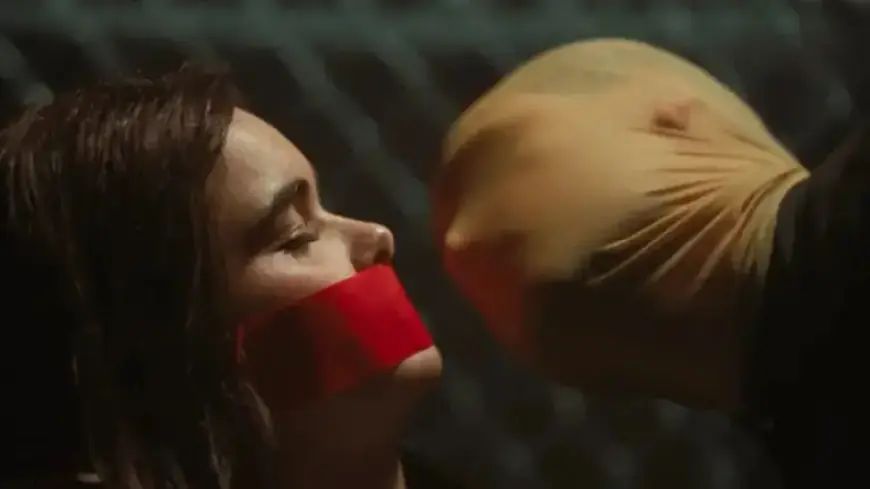
The recent iteration of “Faces of Death” is not a direct remake but a clever homage to the original. Directed by Daniel Goldhaber, it creatively critiques the nature of modern media consumption. The narrative follows a character named Margot, a shy content moderator confronted with disturbing footage reminiscent of the original film.
Character Insights
- Margot: Played by Barbie Ferreira, she navigates a troubled past involving a fatal incident captured on video.
- Arthur: Portrayed by Dacre Montgomery, he is the film’s mad killer, re-enacting past murders for online fame.
Margot’s journey is laced with trauma and the consequences of voyeurism. Meanwhile, Arthur’s character embodies the disturbing intersection of crime and entertainment in the digital age, raising probing questions about society’s proclivity for consuming horror.
Thematic Depth and Modern Paranoia
The film shines a light on the “taboo-video industrial complex.” Arthur’s character critiques contemporary culture’s obsession with sensationalism, portraying a malevolent figure who taps into voyeurism as a lucrative enterprise. This commentary resonates strongly given the pervasive nature of digital media.
As audiences grapple with the unsettling themes of “Faces of Death,” the film serves as a reflection of our culture’s complicated relationship with horror. Are viewers seeking merely to be frightened, or is there a deeper yearning for awe in confronting mortality?
In summary, “Faces of Death” encapsulates the evolution of horror cinema by merging real-life atrocities with psychological thrills. It compels viewers to question the boundaries of entertainment in their relentless quest for the horrific and the forbidden.