






















A Year Later, Trump Reinforces Stance on Tariffs

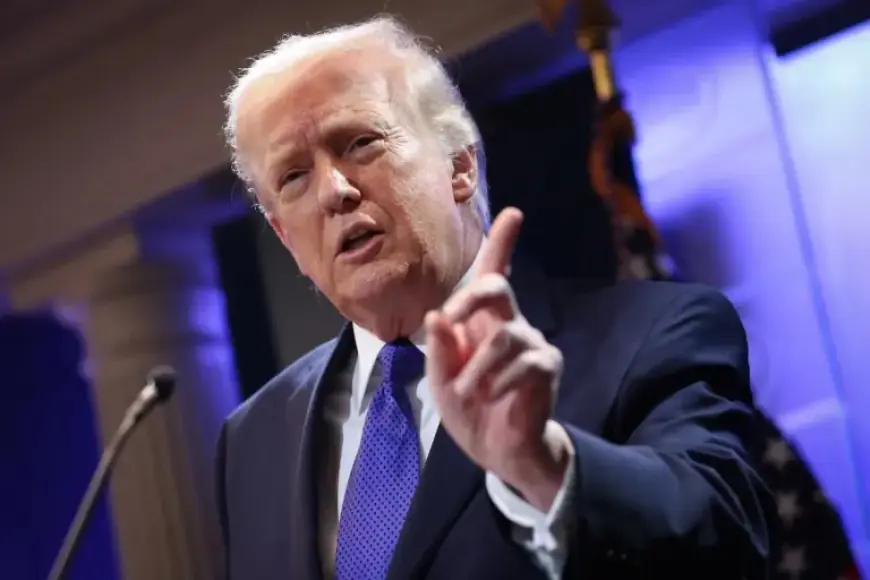
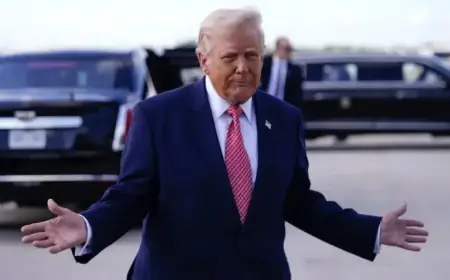
One year has passed since Donald Trump made a significant announcement in the White House Rose Garden, marking it as “Liberation Day.” He declared the imposition of “reciprocal” tariffs on multiple countries, destabilizing both American and global economies.
Impact of Trump’s Tariffs on the Economy
The tariffs, applied indiscriminately to nations even with which the U.S. had trade surpluses, raised concerns over their legitimacy. A simplified formula based on trade deficits informed the tariff decisions, lacking a comprehensive analysis from the Treasury or Commerce Departments. This approach did not accurately reflect the trade in services where the U.S. excels.
- Inflation Increase: A year after the tariffs were introduced, inflation rates have surged.
- American Economic Weakness: The economy shows signs of decline.
- Approval Ratings: Trump’s approval rating clings to 35%, with a notable 65% of Americans believing the policies harm the economy.
- Republican Sentiment: Approval among Republican supporters decreased by 14% since January.
Supreme Court Ruling and Market Reaction
On February 20, the U.S. Supreme Court ruled many tariffs unconstitutional in a close 6-3 decision. Trump labeled the ruling a “disgrace,” particularly targeting Justices Neil Gorsuch and Amy Coney Barrett, both his appointees. He continues to threaten new tariffs, despite ongoing litigation regarding refunds for American businesses affected by the previous tariffs.
In the wake of tariff announcements, the stock market endured significant turmoil. The Dow Jones dropped by 9.48%, the S&P 500 fell 10%, and the Nasdaq declined by 11%. This panic reflected investor shock over the administration’s erratic tariff policies.
Consequences of Tariff Policies
The tariffs have led to a “Trump freeze,” a period characterized by a stagnant job market as businesses hesitated to hire amid uncertainty. Paul Krugman, a Nobel Prize-winning economist, attributed this to unpredictable political actions affecting the economy.
Many anticipated a manufacturing boom due to the tariffs, yet evidence shows this has not materialized. Foreign direct investment reached $288 billion, lower than the previous year and below the average for the preceding decade.
Long-Term Implications
As of now, inflation persists at heightened levels, in part due to rising energy prices linked to ongoing conflicts in the Middle East. The dynamics of imports fluctuated greatly as businesses rushed to stockpile ahead of tariff implementations, yet total imports increased slightly over the previous year.
The overarching impact of Trump’s tariffs appears counterproductive. Visible economic challenges, such as rising inflation and market instability, suggest these policies have not only failed to fulfill their intended purpose but have also hindered economic recovery from prior crises.
This year’s anniversary of Trump’s tariff imposition serves as a reminder of the turbulent intersection of policy and market responses, reshaping the economic landscape in ways that extend beyond mere numbers.