





















Roman Villa, ‘Lost Villages’ Discovered on Wind Farm Cable Path

The recent discovery of a Roman villa near Dereham has captivated archaeologists and locals alike. This finding occurred during investigations for the energy company RWE’s Vanguard West, East, and Boreas wind farms. As part of the project, cables are being installed to connect renewable energy to the National Grid, spreading across nearly 40 miles from Happisburgh to Necton.
Excavation and Discovery of the Roman Villa
The surprise location of the villa was initially overlooked during preliminary archaeological assessments. Experts utilized historic maps and archaeological records, anticipating minimal discoveries. However, a subsequent magnetometry scan revealed potential buried structures, prompting further investigation.
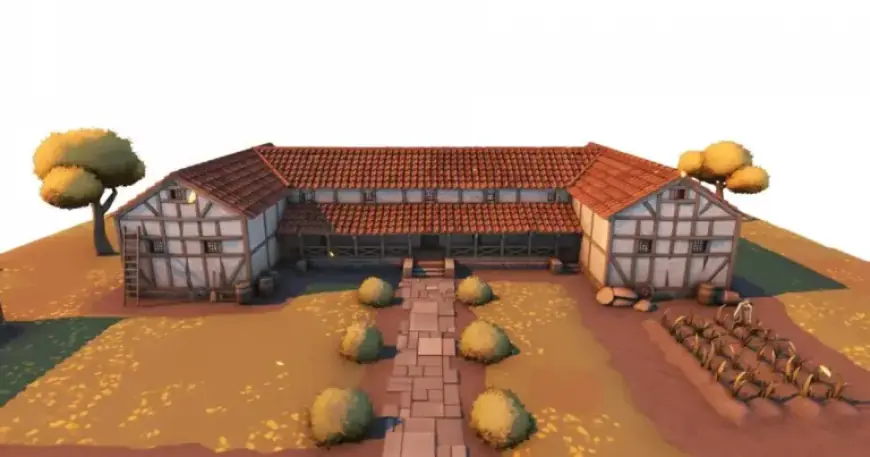
Jessica Lowther from Headland Archaeology stated that the presence of numerous roof tiles indicated something significant below ground. They ultimately confirmed the site as a Roman villa, estimated to have existed between the 1st and 3rd centuries. This villa features an extensive estate, which includes several ancillary buildings and remains of a Roman road and bathhouse.
Findings and Artifacts
Archaeologists uncovered a variety of items during the excavation:
- Copper alloy hairpins and brooches
- Nail cleaners
- A military belt mount
- An inscribed silver ring
- Unique items such as a bronze lion tripod foot and an ornate vessel handle, nicknamed the ‘Norfolk Nessie’
The ‘Norfolk Nessie,’ regarded as the star artifact, stands out due to its intricate design resembling a mythical creature. This form of craftsmanship highlights the artistry of Roman-era artisans.
Other Historical Discoveries
Alongside the villa, the archaeological team discovered a Neolithic pit dating back to approximately 4000 to 2500 BC and remnants of a barrow mound used for cremated remains. Tools dating from the Bronze and Iron Ages, as well as a coin from the time of Queen Boudicca’s revolt against the Romans, were also part of the findings.
Medieval Villages and Community Engagement
Interestingly, remains of two lost medieval villages, Whimpwell and Stinton, were identified in the vicinity. A display of these findings was held at Gressenhall Farm and Workhouse, where local children and the community could engage with the artifacts.
Jon Darling, project director at RWE, expressed excitement about sharing these discoveries. He emphasized the rich narrative of the landscape’s transformation over centuries, from prehistoric settlements to Roman villa estates and beyond.
This exploration highlights the importance of archaeological work in understanding historical progression and community heritage.