






















Middle East Conflict Threatens Saskatchewan’s Helium Supply

The recent escalation of conflict in the Middle East, particularly the strikes by Iran in early March, has led to significant repercussions in the helium supply chain. This situation has compelled QatarEnergy, a prominent state-owned entity, to shut down a crucial liquefied natural gas terminal, invoking force majeure. The natural gas processing in Qatar is vital as helium, a byproduct of this process, is essential for numerous industries, notably healthcare and scientific research.
Impact on Helium Supply in Saskatchewan
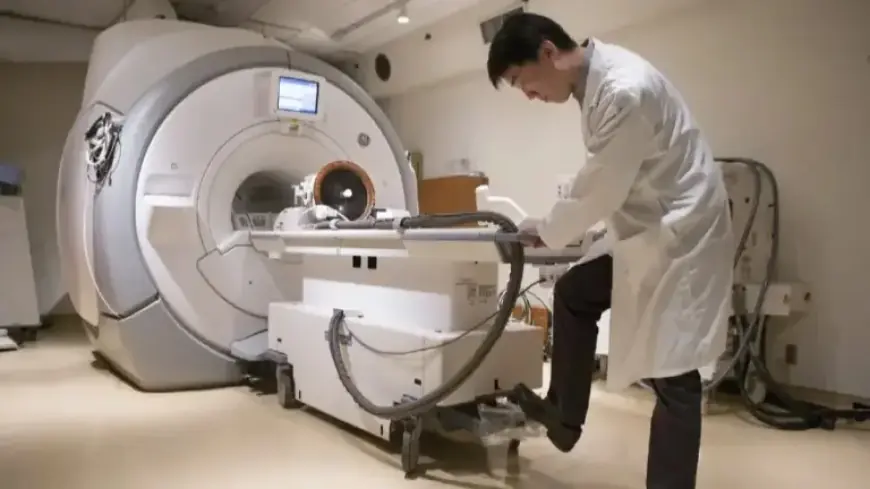
Qatar is recognized as one of the world’s largest producers of liquid helium. This resource plays an indispensable role as a coolant in MRI machines and in spectrometers utilized for research purposes. As a consequence of the terminal’s closure, Air Liquide, Canada’s leading liquid helium distributor, has also declared force majeure. They have informed clients of a drastic 50% cut in their helium supply and are enforcing price increases.
The Role of HealthPro Canada
HealthPro Canada, a non-profit organization supporting approximately 2,100 medical facilities across the country, has become increasingly active in addressing the helium supply concerns. Representing around 80% of Canada’s hospitals and health authorities, HealthPro’s president, Christine Donaldson, has stated that they are contesting the price hikes and are examining contracts to ensure suppliers adhere to agreed terms. Currently, there has been no impact on patient care, and HealthPro is assessing the helium requirements of its clients.
- New MRI machines require thousands of liters of helium during installation.
- Older MRI machines consume helium at a higher rate, necessitating more frequent refills.
Challenges Faced by Researchers
Academic research could experience severe setbacks due to helium shortages. Instruments like those used by researchers require significant helium resources—up to 500 liters every five weeks. A shortage could lead to a ‘quenching’ of magnets, which would irreversibly damage the equipment and stall progress in research.
Dr. Anne Snowdon, a leading figure in supply chain management for health, emphasizes the lack of a cohesive strategy for managing product shortages among Canada’s healthcare systems. Annually, the country faces around 3,000 different shortages, affecting a variety of medical supplies.
Broader Implications
The crisis extends beyond helium, as the ongoing conflict has also disrupted the shipment of critical pharmaceutical ingredients from major suppliers like India. More than 90% of these ingredients are imported into Canada, raising concerns about the stability of drug supplies.
In 2023, the federal government allocated $80.5 million to the Canadian Critical Drug Initiative to address these pressing issues. This funding aims to bolster domestic production of active pharmaceutical ingredients through entities like Applied Pharmaceutical Innovation, which seeks to serve as a back-up for manufacturers facing supply disruptions.
Looking Ahead
HealthPro Canada has mandated suppliers to maintain an inventory buffer for active ingredients to safeguard against shortages. Donaldson notes that this approach allows for proactive measures if any international supply issues arise. Snowdon advocates for collaboration among provinces to mitigate competition and enhance overall supply chain resilience.
As the situation unfolds, the ramifications of the Middle East conflict will continue to challenge the stability of Saskatchewan’s helium supply and the broader Canadian healthcare system.