
























Servo Owners Question Profitability Amid Price Crunch

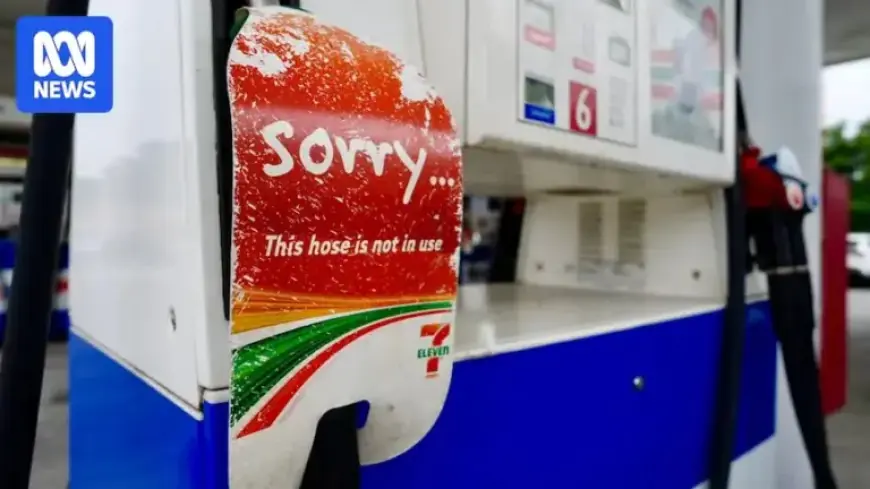
The current fuel price crisis is taking a significant toll on petrol station owners and their employees across Australia. Owners like Eddy Nader are facing escalating customer aggression and declining sales as cost-of-living pressures intensify.
Petrol Station Owners Face Unique Challenges
Eddy Nader, who operates six service stations in New South Wales, has experienced firsthand the impact of soaring fuel prices. Nader reported incidents of both verbal abuse directed at his staff and fuel theft. In one notable case, a customer left without paying for $1,000 worth of diesel, claiming that larger companies could absorb the loss.
Nader is not alone in feeling the crunch. Many independent station owners are struggling to remain profitable as customers reduce spending on in-store items due to high fuel bills. Nader noted that a customer purchasing $80 worth of fuel without buying anything in the shop barely covers operational costs when considering employee salaries and overheads.
Impact of Cost-of-Living Pressures
As fuel prices rise, many customers are no longer able to afford snacks or drinks during their visits. This shift in consumer behavior has significantly impacted the overall profitability of petrol stations, reliant on such additional sales.
- Fuel stations face decreased in-store sales.
- Customer spending is limited due to rising fuel expenses.
- Staff are encountering increasing levels of aggression and abuse.
Union Response to Worker Abuse
The Shop, Distributive and Allied Employees Association has initiated an Australia-wide survey to gather data on the rising incidents of worker abuse. Gerard Dwyer, the union’s national secretary, highlighted the disproportionate stress employees face as they serve customers in a high-pressure environment. Reports of verbal abuse and violent confrontations have surged during this period.
Dwyer emphasized that while customer frustration with fuel prices is understandable, it does not excuse aggression toward staff members. He urged the public to maintain composure during fuel purchases, reminding them of the workers’ innocence in the broader economic turmoil.
Fuel Industry Statistics and Trends
The Australasian Convenience and Petroleum Marketers Association has provided insights into the ownership landscape of fuel retailers in Australia. Despite the presence of major corporations, less than one-third of petrol stations are owned by large fuel companies. Most are small to medium-sized businesses, often operating under franchise agreements.
Key statistics shared by the association highlight the financial reality for petrol retailers:
| Cost Breakdown | Amount (cents per dollar) |
|---|---|
| Fuel Tax | 52 |
| Wholesale and Distribution Costs | 33 |
| Remaining for Retailers | 15 |
| Average Profit Margin | 2-3 |
Rowan Lee, CEO of the association, pointed out that the recent challenges have forced many station owners to work excessively long hours just to keep their businesses afloat. The notion that fuel retailers are profiting from price hikes is misleading and contributes to the aggression faced by staff.
Conclusion
The current landscape for petrol stations is fraught with difficulties. As fuel prices continue to rise, both owners and employees are bearing the brunt of economic pressures and public frustration. Addressing worker safety and customer behavior will be crucial as the industry navigates these turbulent times.