





















Essential Insights for Your Tree Change Journey

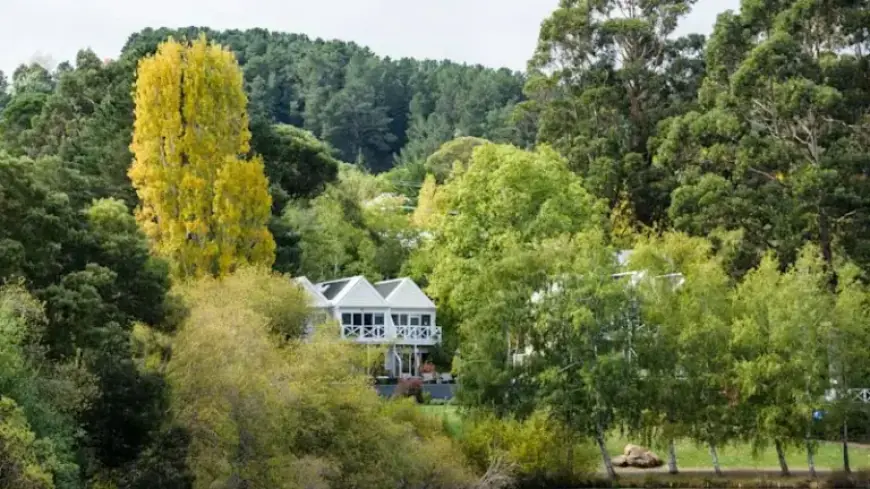
Moving from urban to regional areas is an appealing option for many Australians. In 2023-24, about 35,000 city dwellers relocated to regional towns, a notable shift from the 49,000 who made similar moves during the pandemic in 2020-21. Despite the allure of a more tranquil lifestyle, prospective buyers must consider various practical aspects before making the transition.
Considerations for Your Tree Change Journey
Infrastructure Challenges
While regional areas promise affordability and a relaxed lifestyle, they may lack the infrastructure of metropolitan settings. Liz Ritchie, CEO of the Regional Australia Institute, emphasizes that the population growth in these areas often outpaces housing approvals. She states that for the last decade, regional growth has been at an all-time high, yet investment in key services like healthcare and childcare is essential.
Home Maintenance Requirements
Transitioning to a larger property comes with increased maintenance responsibilities. Residents in regional areas often find that the space and greenery, while enjoyable, require regular upkeep such as mowing, weeding, and general property maintenance. For instance, maintaining a near one-hectare block might take several hours weekly. The cost of hiring services can range from $100 to $150 per hour, depending on the needed tasks.
Dependence on Driving
Living in regional settings often necessitates car travel due to limited public transport. Daily commuting becomes essential for work, school, and shopping. While driving might offer a more scenic experience with less traffic, it also means higher fuel costs and increased distances to cover for daily activities.
Environmental Considerations
Prospective buyers should assess environmental risks associated with their chosen properties. Certain regions may face threats such as bushfires or floods. It is crucial to check with local councils regarding planning certificates that outline any natural hazards that could impact property safety and insurance costs. Awareness of these risks is essential for prospective buyers.
Wildlife Interaction
A tree change introduces individuals to an abundance of wildlife, often delighting former city residents. The countryside is rich with native animals, enhancing the quality of life for many. However, this lifestyle may also involve challenges, such as dealing with pests and animal encounters. Buyers should be prepared for both the beauty and potential drawbacks of rural wildlife.
Final Thoughts
Considering a move from city to regional life requires evaluating various factors. Infrastructure shortcomings, maintenance demands, travel needs, environmental hazards, and wildlife interactions should all be taken into account. Embracing these aspects of living in a regional area can lead to a fulfilling tree change journey. For more insights and advice on rural living, visit Filmogaz.com.