



















Rising Fuel Prices Drive Commuters to Choose E-Bikes Over Cars

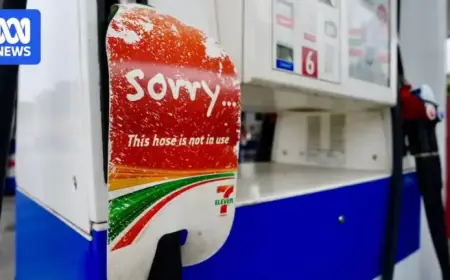
As fuel prices continue to rise, many commuters are opting for electric bicycles (e-bikes) as an alternative to traditional cars. This shift is notably influenced by the recent surge in diesel costs, prompting changes in consumer behavior. Australians are turning to e-bikes to offset their escalating transportation expenses.
Surging Fuel Costs Prompt E-Bike Adoption
Perth commuter Sam Hoskisson recently switched to an e-bike after witnessing diesel prices soar by 10 to 15 cents per liter. His weekly fuel expenses for his four-wheel drive jumped from $60 to $165, further motivating his decision.
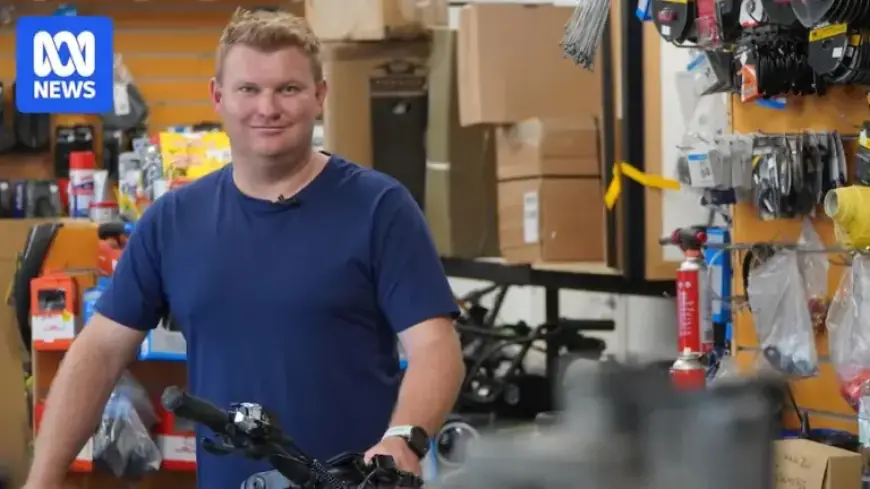
Retailers are observing increased e-bike purchases amid the escalating fuel costs. Dennis Lightfoot, owner of Glen Parker Cycles in Perth, noted a significant uptick in sales, with his shop selling around 30 e-bikes in just 10 days. Many customers cited fuel prices as a contributing factor in their choice to buy an electric bike.
Trends in the E-Bike Market
- Retailers report a rise in e-bike inquiries and sales.
- Industry data shows national growth in e-bike interest.
- Entry-level e-bikes, priced between $2,000 and $3,000, are gaining popularity.
Greg Stoyles, who runs Mercer Cycles in Fremantle, observed similar trends. He pointed out that customers, previously indecisive about e-bikes, are now making purchases driven by rising fuel costs. Many are also seeking repairs and maintenance on traditional bicycles to reduce car usage.
Financial Benefits of E-Bikes
According to Bicycle Industries Australia, the financial advantages of owning an e-bike can be significant. With insurance, registration, and fuel costs piling up to around $2,000 annually for a car, the long-term savings of using an e-bike become more apparent. These savings make e-bikes an appealing option for many commuters.
Government Investment Needed
Peter Bourke, general manager of Bicycle Industries Australia, emphasized the necessity for government investment in infrastructure to support the growing e-bike market. He argues that while people are purchasing e-bikes, safe and connected infrastructure is crucial for sustained growth.
Commuter Experiences and Perspectives
In regional areas like Katanning, residents are also finding solace in e-bikes. Katerina Widerington-Oliver shared her experience of reducing anxiety associated with rising fuel prices by purchasing an e-bike. She appreciates having a reliable mode of transportation for daily errands and livestock checks.
The trend of shifting from cars to e-bikes highlights a broader movement towards sustainable transport alternatives. With continuing fuel challenges, it is likely that this preference for e-bikes will persist and even grow.
As the world faces ongoing supply chain disruptions and fluctuating fuel prices, the e-bike sector stands to benefit from changing commuter attitudes. Investing in effective infrastructure will play a vital role in maintaining this shift long-term.