






















Comparing Volkswagen’s TSI and TFSI Engines: Key Differences Explained

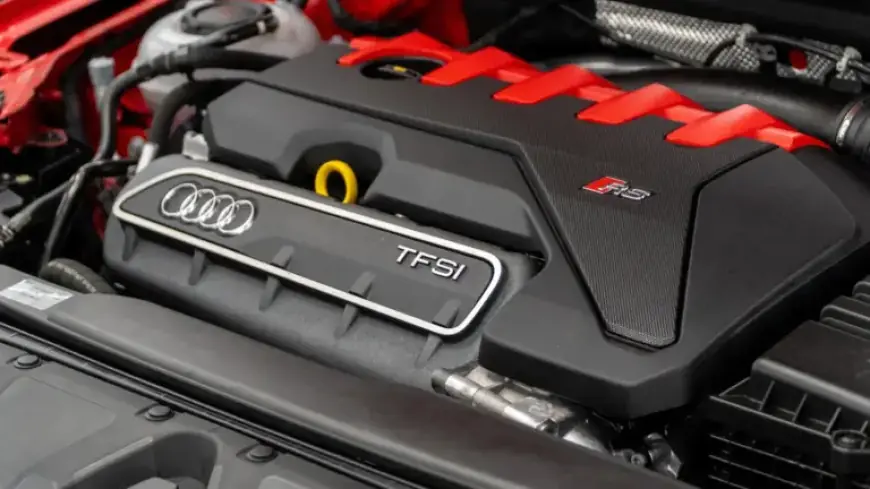
When shopping for modern vehicles from Volkswagen or Audi, many buyers may be perplexed by the engine designations: TSI and TFSI. While these acronyms appear strikingly similar, they represent distinct branding strategies within the Volkswagen Group.
Understanding TSI and TFSI Engines
TSI stands for “Turbo Stratified Injection,” while TFSI means “Turbo Fuel Stratified Injection.” Both labels denote direct-injection turbocharged gasoline engines produced by Volkswagen Group. The key distinction lies in branding, with TFSI being exclusive to Audi vehicles.
The additional “F” in TFSI does not indicate any mechanical difference. Instead, it emphasizes Audi’s premium status within the Volkswagen family. Essentially, a 2.0-liter TSI engine and a 2.0-liter TFSI engine are often the same in terms of performance, merely differentiated by their branding.
Evolution of Engine Families
The TFSI designation made its debut with the EA113 engine family in the Audi A3 Sportback in 2004. This model laid the groundwork for the later EA888 engine, introduced in 2006 as the first two-liter, four-cylinder engine to carry the TSI label. A notable improvement in the EA888 was the transition from a timing belt to a roller timing chain, enhancing durability and reducing maintenance needs.
- EA113: Introduced in 2004 on the Audi A3.
- EA888: First TSI engine in 2006, featuring a roller timing chain.
- TFSI and TSI Usage: Both appear on various Volkswagen models, including the 2025 Audi S3 and VW Tiguan Turbo.
Performance and Reliability Considerations
The EA888 engine has undergone multiple revisions, leading to improvements that solidify its reputation as a reliable turbocharged option. However, prospective buyers of used models should remain vigilant for certain common issues. Early generations (2007-2011) may present challenges such as:
- PCV system failures, resulting in higher oil consumption.
- Carbon buildup on intake valves, a consequence of direct injection.
Later versions of the EA888 benefit from dual injection systems, helping to mitigate carbon buildup risks. The TSI and TFSI labels also apply to other engine families, such as the EA211 series in models like the Polo and Golf, which still use timing belts. Potential concerns include:
- Water pump leaks in early models.
- Carbon buildup due to direct injection.
Additionally, Audi’s 2.5 TFSI inline-five, found in the RS 3, is popular among enthusiasts. While it is renowned for reliability and unique sound, buyers should exercise caution regarding turbocharger issues and leaks in higher-mileage variants.
Conclusion
In summary, while TSI and TFSI engines may seem distinct, they essentially represent the same technology under different branding umbrellas. Understanding their differences can aid buyers in making informed decisions when considering modern Audi and Volkswagen vehicles available at Filmogaz.com.