

























Technology Transforms Wildlife Photography: Skillful Adaptation Required

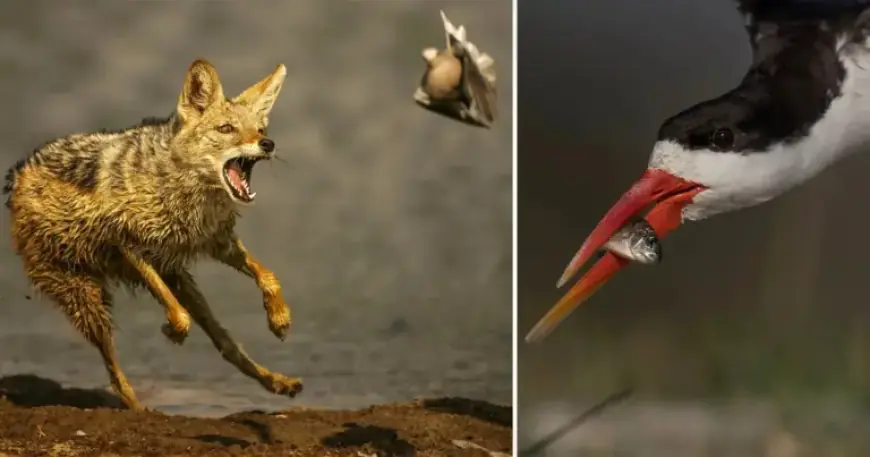
The evolution of wildlife photography is marked by significant technological changes. While advanced equipment enhances image quality, it raises questions about the balance between technology and traditional skills. As photographers embrace advanced mirrorless cameras and AI-driven tools, many wonder if essential skills are being overlooked in favor of convenience.
Technological Advancements in Wildlife Photography
The rise of modern cameras has transformed how wildlife photographers operate. Features such as:
- AI autofocus systems
- High-speed burst rates (30-60 fps)
- Advanced editing software
These technologies have made it easier for photographers to capture technically proficient images. However, the essence of wildlife photography—patience, anticipation, and deep field knowledge—remains irreplaceable.
Dependence on Technology vs. Mastery of Craft
Modern photographers often depend heavily on technology, which facilitates the creation of sharp, well-composed images. While software tools like Lightroom and Photoshop can correct flaws in post-processing, they cannot replicate the intuitive qualities essential to wildlife photography.
Mastering the field, understanding animal behavior, and anticipating actions are crucial. These skills distinguish remarkable photography from mere technical achievements.
The Impact of High Frame Rates
High frame rates and pre-buffering capabilities allow photographers to capture fleeting moments. However, this can lead to a reactive mindset, where quantity overshadows quality. Photographers may return with thousands of images, often seeking a few standouts based solely on numerical success rather than artistic intent.
Quality Over Quantity in Photography
Critics argue that a focus on megapixels and high technical specifications does not guarantee compelling images. Higher resolution can introduce noise and complicate workflows. Great images often emerge from the skillful execution of fundamentals.
Case Studies of Successful Wildlife Photography
Two notable images highlight skill with basic technology:
- A Moment Before (2004): Captured in Etosha National Park, Namibia, using an 8-megapixel Canon EOS-1D Mark II. Winner of South African Wildlife Photographer of the Year.
- Caught (2006): Also taken in Namibia, this image used a 600mm lens. Winner of the Animal Behaviour Category at the Wildlife Photographer of the Year.
Both images exemplify how patience and deep understanding of wildlife behavior create impactful photography.
Integrating Modern Technology with Traditional Skills
While modern tools enhance capabilities, true excellence in wildlife photography springs from understanding traditional techniques. Photographers skilled in manual settings make better use of technologies like autofocus and high frame rates, turning them into precision tools rather than safety nets.
Effective use of technology hinges on foundational knowledge—understanding how aperture, ISO, and light interact forms the bedrock of competent photography today.
The Future of Wildlife Photography
For new photographers, investing in foundational skills is paramount. Mastery of the basics is crucial before adopting the latest equipment or software. As technology continues to evolve, strong fieldcraft, behavioral insights, and anticipation will remain essential for capturing extraordinary wildlife moments.
In conclusion, while technology provides powerful tools, the core of successful wildlife photography lies in the blend of traditional skills and modern advancements.
About the Author
Johan J. Botha is a distinguished wildlife photographer with over 30 years of experience. He has received numerous accolades, including awards from prestigious competitions worldwide. His work has been exhibited internationally, and he has served in multiple leadership roles in photographic societies. Furthermore, Botha is an accomplished speaker and author, sharing his expertise on wildlife photography.