























Purple ‘Alien’ on ISS Paves Future for Mars Missions

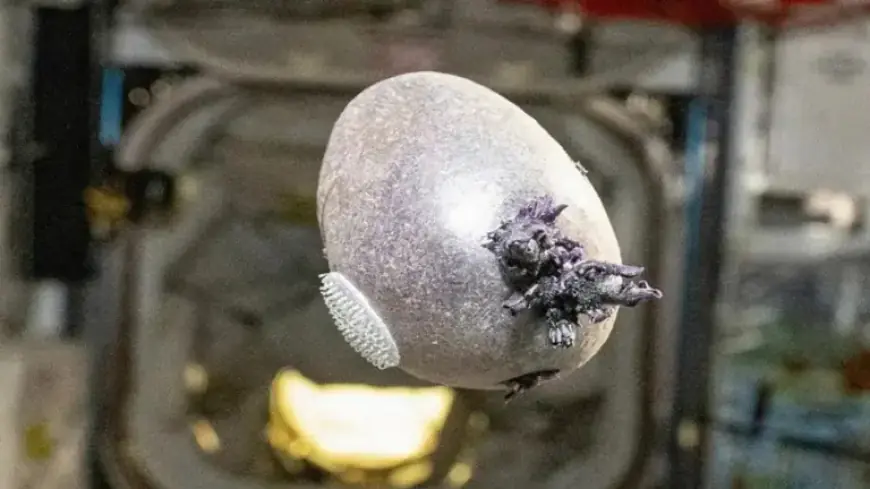
A striking photo of a tentacled purple tuber aboard the space station sparked wide attention online. Astronaut Don Pettit posted the image of the potato he named Spudnik-1. The plant was grown inside the International Space Station during Expedition 72.
The Spudnik-1 experiment
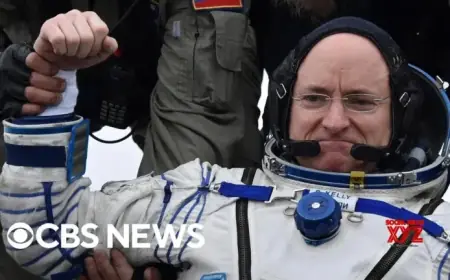
Pettit, NASA’s oldest active astronaut, has flown four space missions. He has accumulated 590 days in orbit across his career. He grew Spudnik-1 as an off-duty project in a small hydroponic setup.
The tuber was secured with a small piece of hook Velcro inside an improvised grow-light terrarium. Pettit shared the image on X, Instagram, and Reddit. The photo’s strange appearance led some to call it an “alien” on the ISS.
Why potatoes are important for long trips
Potatoes deliver high nutrition relative to plant mass. The idea gained popular attention after Andy Weir’s novel The Martian. A mission to Mars can last roughly three years, making pre-packed food impractical.
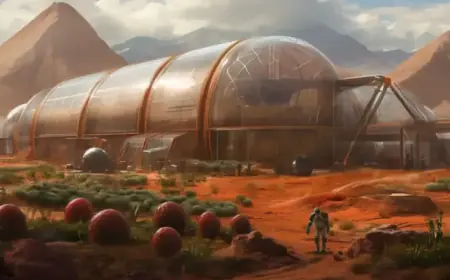
Launching every calorie from Earth is costly. Shipping water or meat to Mars would be extremely expensive. Local farming will be essential for sustainable missions.
Microgravity growth and hydroponics
In microgravity, roots and shoots lose their usual orientation. The potato’s “tentacles” are simply sprouts searching for light and nutrients. Pettit used hydroponics, allowing plants to grow in nutrient-rich water rather than soil.
Hydroponic systems avoid heavy soil and offer precise nutrient control. However, water management is harder because it does not drain under microgravity.
Radiation and nutritional benefits
The purple color in Spudnik-1 comes from anthocyanins. These antioxidants also appear in blueberries. Antioxidants may help protect human DNA from space radiation.
Pettit reported no obvious radiation damage to the potatoes. If crops tolerate cosmic rays, greenhouse shielding needs could be reduced. That outcome helps pave the future for farming on Mars.
Psychological value of space gardens
Life aboard the station is highly engineered and sensory-poor. Gardening gives astronauts a tangible connection to Earth. Caring for plants reduces stress and supports crew well-being.
Challenges ahead
Plants in orbit tend to grow more slowly and show stress responses. Root systems can suffocate without proper water drainage. Radiation levels remain a concern for long-duration cultivation.
Each successful space-grown crop still moves plans forward. Spudnik-1 is a small but significant step toward fresh food on other worlds.
Don Pettit’s experiments build on earlier personal projects. He previously documented a “Diary of a Space Zucchini” and grew sunflowers, broccoli, and peanuts. He even sprouted basil and tomato seedlings using earplugs as a growth medium.