
























Escalating Middle East Conflict Forces Airlines to Cancel More Flights

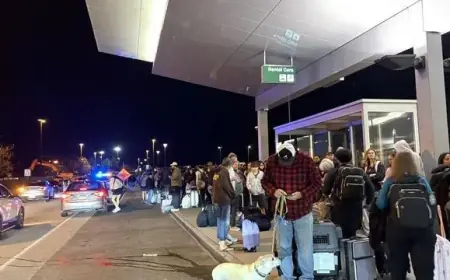
Global air travel continues to suffer major disruptions after the Iran war led to the temporary closure of key Middle Eastern hubs. Dubai, Doha and Abu Dhabi were among the airports affected. An escalating Middle East conflict has forced airlines to cancel additional flights across the region.
Scope of the disruptions
Many carriers halted or trimmed services to cities in the Levant, Gulf and Iraq. Cancellations run from late March through October, depending on the airline and route.
Selected airline service changes
- AEGEAN Airlines suspended Tel Aviv, Beirut and Amman services until April 22. Flights to Erbil and Baghdad are halted until May 24. Dubai service was suspended until April 19 and Riyadh until April 18.
- airBaltic cancelled Tel Aviv flights through April 29. Its Dubai services are paused until October 24.
- Air Canada stopped flights to Tel Aviv until May 2. Dubai routes were cancelled until April 30.
- Air Europa has suspended its Tel Aviv schedule until April 10.
- Air France halted Tel Aviv and Beirut services until April 4. Dubai and Riyadh flights were suspended through March 31. KLM paused Tel Aviv, Riyadh, Dammam and Dubai until May 17.
- Cathay Pacific cancelled passenger services to Dubai and Riyadh until May 31. It is adding extra flights to several European cities to meet demand.
- Delta cancelled New York–Tel Aviv operations and delayed the Atlanta–Tel Aviv revival until September 5. A planned Boston–Tel Aviv launch has been pushed back indefinitely.
- El Al cancelled outbound Israel departures through April 4. The carrier is maintaining a limited network to key destinations.
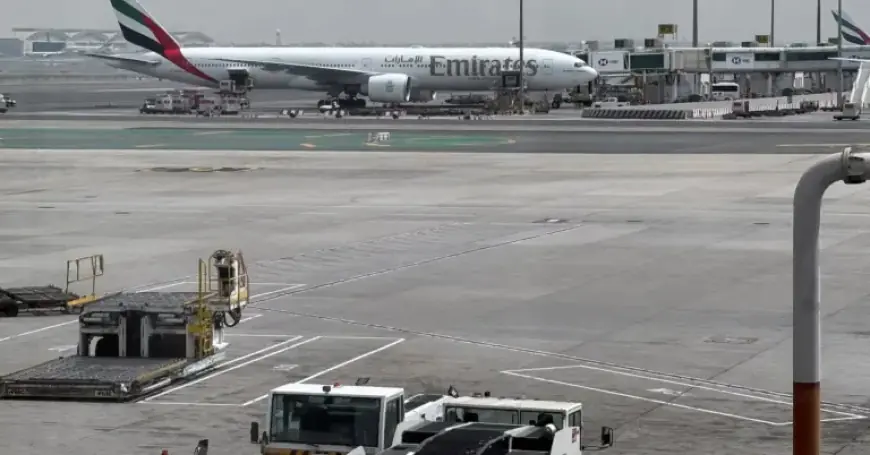
- Emirates is operating a reduced schedule after partial airspace reopening. Etihad maintains a commercial schedule from Abu Dhabi to roughly 80 destinations.
- Finnair cancelled Dubai flights through March 29. Doha services were suspended until July 2. The airline is avoiding airspace over Iraq, Iran, Syria and Israel.
- Flynas extended suspensions to Gulf and nearby airports until March 31, including Dubai and Doha.
- IAG’s British Airways extended cancellations to Amman, Bahrain, Dubai and Tel Aviv until May 31. Doha is suspended until April 30. Abu Dhabi flights remain halted for the season.
- IndiGo paused services to a number of Gulf destinations until March 28.
- Japan Airlines suspended Tokyo–Doha flights until early April on both directions.
- LOT cancelled Dubai flights until March 28 and Tel Aviv services until May 31. Riyadh and Beirut routes face suspensions into April.
- Lufthansa Group carriers paused Dubai and Tel Aviv services until May 31. Flights to many Gulf and regional capitals are suspended through October 24. Lufthansa Cargo’s Tel Aviv suspension runs through April 30.
- Eurowings plans prolonged suspensions to several Middle Eastern cities, with some Gulf routes halted until October 24.
- Malaysia Airlines suspended Doha flights until April 15.
- Norwegian Air delayed its Tel Aviv and Beirut launches to mid-June. Dubai flights were cancelled through April 8.
- Pegasus Airlines cancelled flights across Iran, Iraq and multiple Gulf cities through April 13.
- Qantas is adding capacity to Europe, increasing services to Paris and Rome from mid-April. It will also boost Perth–Singapore frequencies.
- Qatar Airways is gradually restoring and increasing flights from Doha to over 90 destinations.
- Singapore Airlines extended its Singapore–Dubai suspension until April 30. It will add Gatwick and Melbourne services to absorb demand.
- Turkish Airlines cancelled most Middle East flights until the end of March. SunExpress halted Dubai and Bahrain services into April and late April respectively.
- Wizz Air suspended Israel routes through March 29. Flights from mainland Europe to Dubai, Abu Dhabi, Amman and Jeddah are suspended until mid-September.
Rerouting and capacity shifts
Some carriers are redirecting aircraft and seats toward Europe and other long-haul markets. Airlines such as Cathay, Qantas and Singapore Airlines added services to meet redirected demand.
Others expanded frequencies from hub cities outside the closed airspace. These moves aim to absorb passenger demand while avoiding high-risk routes.
Operational approaches
Approaches vary by carrier. Some operate reduced schedules from regional hubs. Others keep limited essential flights or reroute around contested airspace.
Timeline and outlook
Cancellations span through March, April and May, with some routes suspended into mid-September and late October. Dates and scope remain fluid as the security situation evolves.
Travelers should check airline announcements before booking or travelling. Filmogaz.com will update this situation as carriers revise schedules.