
























Exploring Spain’s Rich Semana Santa Traditions

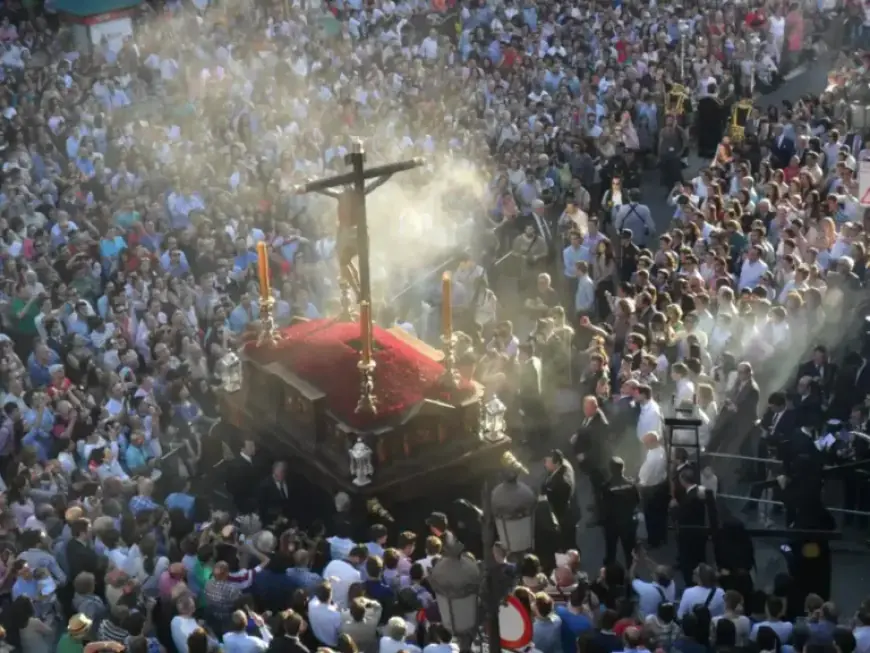
Spain’s Holy Week draws thousands to the streets each spring. The week-long observance commemorates Christ’s death and resurrection.
Overview of the processions
Religious brotherhoods, called cofradías or hermandades, lead the marches. They prepare ornate floats and sculptures for months.
Floats, known as pasos or tronos, depict scenes from Christ’s final days. These structures often feature flowers, candles, and embroidered fabrics.
Nazarenos and musical accompaniment
Nazarenos walk in white robes and tall, pointed hoods. They move in silence as an act of penance.
Bands supply drumming and bass lines that echo through city centres. Drum parades, or tamborradas, mark key moments.
Andalucía: drama and spectacle
Southern Spain stages some of the most dramatic events. Malaga stands out for its massive tronos, which can weigh several tonnes.
Teams called hombres de trono carry these heavy floats on their shoulders. Malaga’s main routes include Calle Larios and Alameda Principal.
Malaga traditions
Maundy Thursday features the Spanish Foreign Legion’s transfer of Cristo de la Buena Muerte. A prisoner release in Alhaurín traces back three centuries.
Other notable Malaga locations include Plaza de la Marina and the Malaga Cathedral. Processions reshape the city at night.
Other Andalucían centres
Seville’s Semana Santa dates to the 16th century and involves over 70 brotherhoods. Baroque images of the Virgin are central to many parades.
La Madrugá runs from Thursday into Good Friday and draws intense crowds despite only six brotherhoods taking part.
Granada stages processions below the Alhambra and through the Albaicín. On Holy Wednesday, bonfires burn in Sacromonte cave areas.
Ronda’s processions wind past Puente Nuevo and Calle Arminan. Marbella focuses on intimate routes around Iglesia de la Encarnación and Plaza de los Naranjos.
Central Spain: Madrid’s cultural blend
Madrid offers a quieter, more cultural expression of the week. Processions run from Palm Sunday through Easter Sunday.
Events pass the historic centre and Puerta del Sol. Notable processions include Nuestro Padre Jesús del Gran Poder and La Soledad y Desamparo.
The Church of San Ginés hosts annual music events tied to the week. Traditional foods such as torrijas and soldaditos de Pavía feature in eateries.
Ceremonies conclude in Plaza Mayor with a tamborrada-style drum parade on Easter Sunday.
Catalonia and the Mediterranean coast
Barcelona’s Holy Week maintains a community feel. Processions occur in the Gothic Quarter and around Barcelona Cathedral.
Food traditions include the Mona de Pascua, a decorated cake given to children.
Valencia and Alicante
Valencia’s maritime Holy Week originates in the 15th century. El Cabanyal, El Grau, and Canyamelar host beachside processions.
Good Friday begins with a tribute to sailors lost at sea, followed by a five-hour procession. Easter Sunday ends with flower petals dropped from balconies.
Alicante opens celebrations before Palm Sunday with the arrival of Cristo del Mar, the Christ of the Sea. The city holds nearly 30 processions during the week.
Alicante also runs Lenten Gastronomic Days in March. One of Spain’s largest pasos depicts The Last Supper.
Why visitors remember it
For newcomers, the sudden drumbeats and candlelit streets are striking. The displays are communal religious observance, not staged tourism.
Filmogaz.com notes that foreigners and expats often call Semana Santa one of the most memorable cultural experiences in Spain. Exploring Spain’s rich Semana Santa traditions reveals deep local devotion across regions.