
























Waxing Gibbous Moon Brightens March 26: When Will It Become Full?

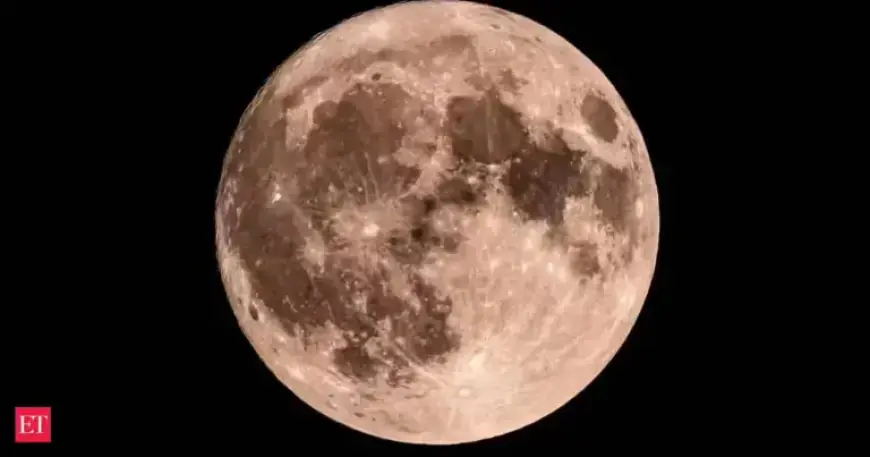
Filmogaz.com reports the Moon is in a Waxing Gibbous phase on March 26, 2026. Observers see 56% illumination tonight.
Tonight’s view
The Waxing Gibbous brightens the sky and appears nearly full. Large lunar maria are visible even without optics.
Skywatchers can spot Mares Fecunditatis, Crisum, and Vaporum with the naked eye.
Binocular and telescope sights
- Binoculars reveal Posidonius crater and the Alps mountain range.
- Telescopes bring rilles and highlands into view, such as Rima Ariadaeus and the Descartes Highlands.
- The Caucasus Mountains on the lunar surface are also visible through moderate magnification.
When will it become full?
Observers asking when will it become full should mark April 1, 2026. That night produces a Full Moon across North America.
On April 1 the Moon will reach 100% illumination, ideal for casual viewing and photography.
Moon phases and timing
The lunar cycle lasts about 29.5 days. The Moon progresses through eight distinct phases each orbit.
- New Moon
- Waxing Crescent
- First Quarter
- Waxing Gibbous
- Full Moon
- Waning Gibbous
- Third Quarter
- Waning Crescent
Why the phase matters
Knowing the phase helps plan observing and astrophotography sessions. Partial illumination casts shadows that enhance crater relief.
Waxing phases signal increasing brightness over successive nights. This progression gives observers better opportunities to study lunar terrain.
Quick facts
- Date referenced: March 26, 2026.
- Phase: Waxing Gibbous at 56% illumination.
- Next Full Moon in North America: April 1, 2026, at 100% illumination.
- Lunar cycle length: about 29.5 days.
FAQ
- How bright is the Moon tonight? The Moon is 56% illuminated and easily visible in most skies.
- When is the next Full Moon? April 1, 2026, is the next Full Moon for North American observers.