
























Will the Dollar’s Rally Persist Amid Global Conflicts?

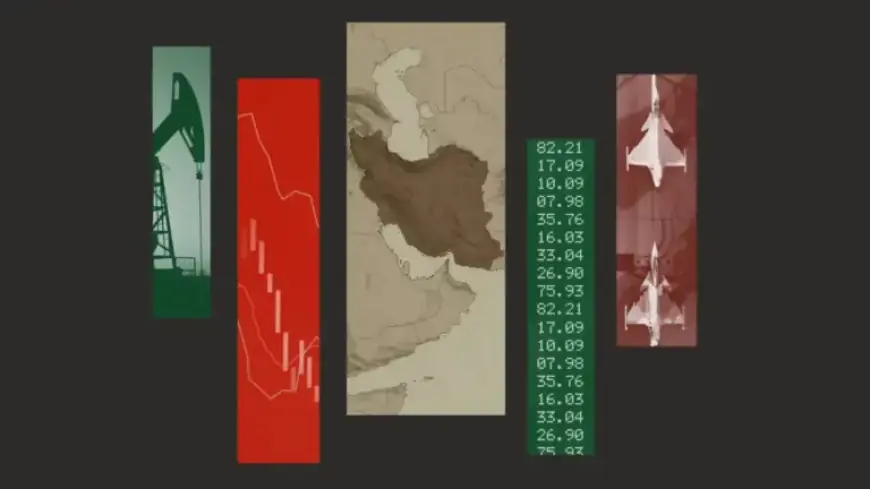
Since the Iran conflict began, the US dollar has regained ground after a steep slide in 2025. Filmogaz.com analysis finds this rebound reflects safe-haven flows and fears of higher oil-driven inflation.
Drivers of the recent rally
Investors bought dollars amid geopolitical uncertainty. Expectations that rising oil would raise inflation also supported the currency.
The Federal Reserve left interest rates unchanged on March 18. Chair Jerome Powell warned the conflict introduced “new inflation” into the economy.
Market moves and oil prices
The widely followed US Dollar Index climbed about 2.1% after the war began. It later fell 0.25% following a de-escalation by President Trump.
West Texas Intermediate traded near $67 a barrel before the conflict. It approached $100 at the peak and moved back toward $92 on Monday. Brent was about $73 pre-conflict, rose above $112, and eased toward $104.
Where the dollar stood before the war
One clear trend in 2025 was dollar weakness. The Dollar Index fell 9.4% that year amid trade tensions and a growing US budget gap.
Morningstar estimated the currency was roughly 10% overvalued going into the conflict. At the end of February, Morningstar expected depreciation versus 22 of 33 currencies it follows.
Valuation versus major peers
- The Dollar Index compares the US currency to the euro, yen, pound, Canadian dollar, krona, and Swiss franc.
- To reach fair value against those currencies, the dollar would need to decline about 11%, according to Morningstar analysis.
Short-war outlook
Most analysts think the conflict could be contained within weeks. Oil futures point to peak prices in the second quarter, then easing.
Minimal losses in US equities reflect market confidence in a short disruption. If shipping through the Strait of Hormuz normalizes, safe-haven demand would fade.
Muhammad Hamza Saleem of Morningstar says a brief conflict would reopen the path for Fed easing. That shift would likely reduce dollar support and lift foreign assets.
Implications of a prolonged conflict
A longer war could keep oil higher for months. Persistent energy-driven inflation would limit the Fed’s ability to cut rates.
Saleem notes that sustained price pressure would favor the dollar, especially against the euro, yen, and many emerging-market currencies. Gary Schlossberg of Wells Fargo highlights the US economy’s stronger position as an energy supplier and notes fiscal stimulus in the pipeline.
Global inflation dynamics
- Gavekal Research analyst Will Denyer found six of the eight most-traded currencies had above-target inflation pre-conflict.
- The exceptions were the Chinese renminbi and the Swiss franc.
Broader risks and longer-term pressures
Beyond geopolitics, structural factors weigh on the dollar. A widening US fiscal deficit and concerns about Fed independence matter.
Non-US investor frustration with tariffs and US foreign-policy uncertainty also influence currency flows. Those forces had already pressured the dollar before the conflict began.
Markets must weigh whether the dollar rally will persist amid global conflicts. Key indicators to watch include oil prices, Fed policy moves, and fiscal trends.