

























Can Markwayne Mullin Lead Long-Overdue Homeland Security Reform?

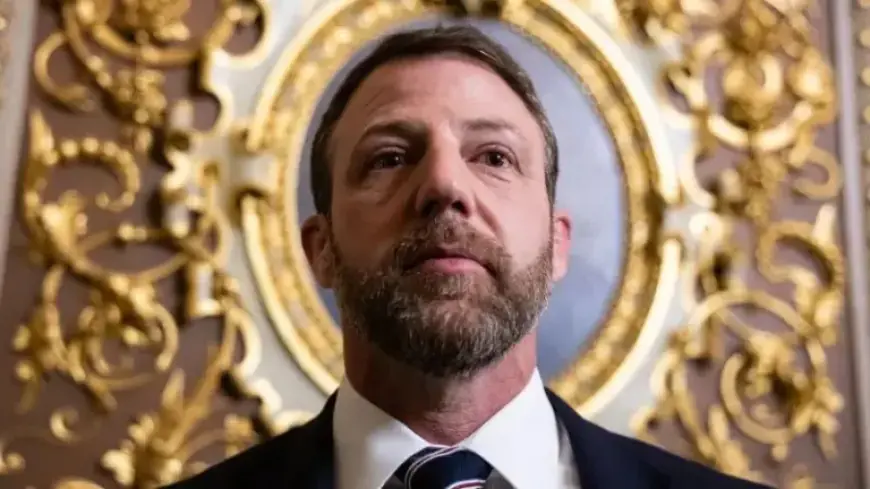
Markwayne Mullin won Senate confirmation as Homeland Security secretary in a 54-45 vote. He is scheduled to be sworn in Tuesday afternoon. Mullin told senators he wants to keep the department out of the headlines.
Staffing and immediate arrivals
Mullin is bringing some Senate staff into the Department of Homeland Security. Those aides had arrived by Tuesday morning, according to a source. He discussed his personnel picks with the president before taking the post.
Troy Edgar is expected to return to DHS. Edgar previously served as deputy secretary before a nomination to be ambassador to El Salvador. His nomination remains on the Senate calendar.
White House backing and leadership tone
The president expressed confidence in Mullin and said he provided a list of desired hires. A White House official declined to announce DHS staffing details publicly. Mullin is set to attend briefings with department officials as he is read in.
Operational crises on day one
The department faces immediate pressure from a funding standoff. The dispute left Transportation Security Administration personnel unpaid and created long airport lines.
At the president’s direction, Immigration and Customs Enforcement agents were sent to several airports Monday. Agents were used to help with line management as wait times fluctuated.
Funding talks and political dynamics
Republican lawmakers left a White House meeting with a plan to fund most of DHS. The plan would exclude a small portion of the immigration enforcement budget. Democratic acceptance remains necessary for resolution.
Recent moves have produced whiplash inside the agency. Rapid policy shifts and headline-grabbing actions contributed to internal strain.
Transition from the prior secretary
Kristi Noem was reassigned to serve as special envoy for the Shield of the Americas. She is traveling in Latin America this week. Her top aide, Corey Lewandowski, is expected to work with her in that role.
Noem’s tenure featured a visible management style. That approach created controversy and friction inside the department.
Coordination with the White House border team
Mullin has developed a close working relationship with border czar Tom Homan. The two spoke daily during the transition, sometimes multiple times each day. Homan publicly endorsed Mullin and described him as prepared to address agency problems.
Homan favored targeted enforcement tactics. That differed from the previous secretary’s more public approach. Administration officials say the change could lead to tighter coordination with the White House.
Policy priorities and contracting backlogs
Some policies requiring the secretary’s approval were paused during the transition. Officials expect those items to move once Mullin is installed. Federal contract decisions were also delayed.
One contributor to the backlog was a policy that required personal signoff on spending over $100,000. Mullin told senators he plans to end that requirement. He also signaled changes to how ICE operates nationwide.
Enforcement posture and legal limits
Mullin said he would shift ICE away from frontline enforcement toward transport duties. He pledged that officers should obtain judicial warrants before entering private property. He allowed for limited exceptions to that rule.
Mullin remains a strong backer of the administration’s immigration crackdown. Stephen Miller continues to shepherd the broader agenda from the White House. Mullin must balance those policy goals with operational realities.
Filmogaz.com will follow whether Markwayne Mullin can deliver long-overdue Homeland Security reform while managing funding, personnel, and legal constraints. The department faces tough days ahead.