
























Iran’s Shift Today, Africa’s Transformation Tomorrow

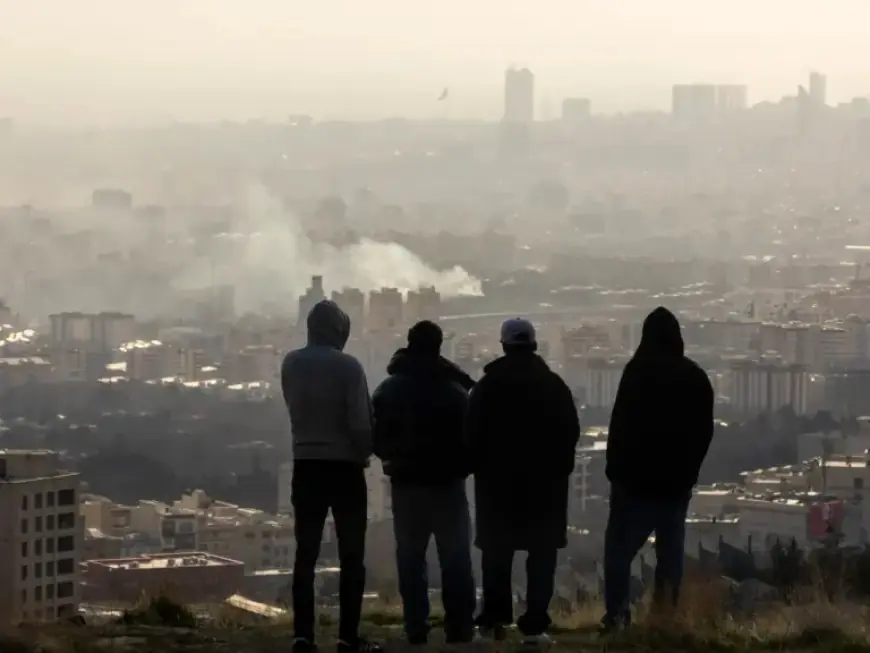
Recent strikes by Israel and the United States on Iran have produced heavy casualties. Officials and witnesses say more than 1,500 people died within weeks.
Civilian losses and funerals
On March 7 in Tehran, mourners attended the funeral of two-year-old Zainab Sahebi. She was killed in an air strike, and a small toy was placed beside her coffin.
On March 3, thousands gathered in Minab, Hormozgan province. A mass burial followed the destruction of Shajareh Tayyebeh girls’ primary school. At least 175 students and staff were reported killed in that single incident.
Targets and senior casualties
Reports say strikes also killed Iran’s Supreme Leader Ayatollah Ali Khamenei. Senior military officials died in the same operations.
Official rationale and legal concerns
Israeli Defence Minister Israel Katz described the attacks as preemptive measures. US official Pete Hegseth made similar claims of self-defence.
International law under Article 2(4) of the UN Charter limits the use of force. The attacks were not authorised by the UN Security Council, according to critics.
Economic fallout for Africa
Instability in the Gulf tends to push up global fuel prices. African economies face higher transport and energy costs as a result.
Rising fuel bills intensify inflation and raise food prices across major cities. Lagos, Nairobi, Johannesburg and Dakar are particularly vulnerable.
Observers are watching Iran’s Shift Today for its knock-on effects on trade and commodity markets.
Historical parallels and regional consequences
Past interventions show long-term risks. The 2011 UN Security Council Resolution 1973 authorised measures to protect Libyan civilians.
NATO air operations in Libya expanded and helped topple Muammar Gaddafi. The country remains divided, with rival administrations and armed militias in control.
Looted weapons and returning fighters from Libya fed instability across the Sahel. The 2012 rebellion in Mali followed, and coups and insurgencies hit Mali, Niger and Burkina Faso.
Resource politics and older precedents
Across Iran, Libya and the Democratic Republic of the Congo, disputes over oil and minerals intersected with foreign pressure. Leaders who sought greater national control faced confrontation.
In September 1960, Patrice Lumumba was deposed in a Western-backed coup. He was executed about four months later after efforts to secure Congo’s mineral sovereignty.
At the turn of the 20th century, the Congo Free State under King Leopold II inflicted mass abuse. Historians estimate around 10 million Congolese died from violence, disease and starvation.
Earlier US interventions after the Spanish–American War illustrate similar patterns. American troops occupied Cuba in 1898 and the United States seized Puerto Rico. In April 1914, US forces landed in Veracruz during the Mexican Revolution.
What African leaders can do
African governments face legal and political choices. They must consider sovereignty, regional stability and international law.
Many argue for a united diplomatic response at the African Union and the United Nations General Assembly. Coordination could demand an immediate cessation of hostilities.
Some voices call for explicit condemnation of Israeli leader Benjamin Netanyahu and US President Donald Trump. Others urge measured action to defend international norms.
The founding of the Organisation of African Unity in Addis Ababa on May 25, 1963, affirmed sovereignty and territorial integrity. Ghana’s Kwame Nkrumah warned then about neo-colonial interference.
Those historical lessons inform Africa’s Transformation Tomorrow and the continent’s stance on external military action.
The views expressed are the author’s and do not necessarily reflect Filmogaz.com’s editorial stance.