Drivers Advised: Halt Panic Buying as Fuel Prices Soar

The global oil markets are facing significant turmoil due to escalating geopolitical tensions. Brent crude, the global benchmark, surged by 7% to $98.50 a barrel during early Asian trading. By midday, it soared past the critical $100 mark, raising concerns about long-term supply stability.
Potential Inflation Risks
The Treasury has warned that if the oil price remains at $100 per barrel for three consecutive months, it could temporarily increase headline inflation by 0.5 percentage points. This situation places additional pressure on consumers and the broader economy.
IEA Emergency Oil Release
In response to these developments, the International Energy Agency (IEA) announced a historic plan to release 400 million barrels of oil from emergency reserves. This coordinated effort, the largest since the 1973 oil embargo, aims to alleviate some immediate pressure on global oil supplies. This release constitutes about one-third of the IEA’s total emergency stocks of 1.2 billion barrels.
Geopolitical Tensions and Market Volatility
Despite the IEA’s intervention, market anxiety persists. Analysts believe that the ongoing conflict in the Middle East will continue to disrupt oil exports, particularly through the Strait of Hormuz, which is vital for the flow of approximately 20% of the world’s oil supply. Recent attacks on tankers in this region have further destabilized the market.
Current Situation in the Strait of Hormuz
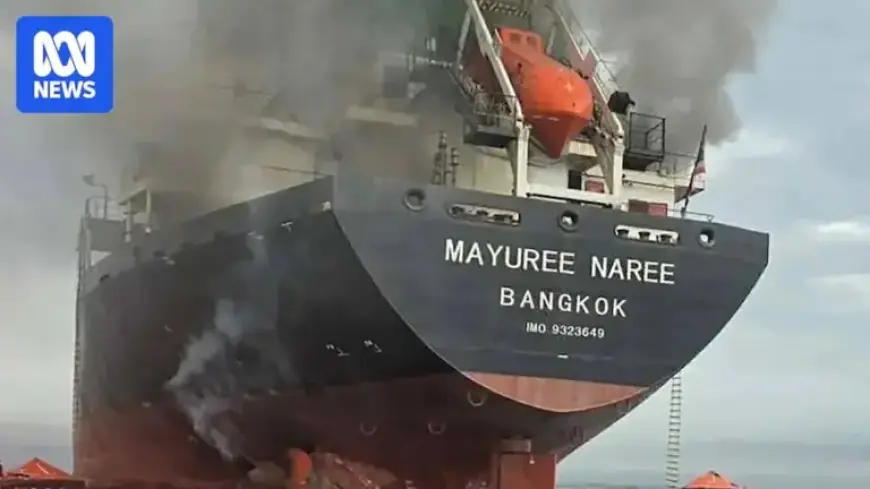
- Two tankers were reportedly struck recently, with ongoing incidents raising alarm among traders.
- The situation remains precarious, with fears that Iranian actions may persist, impacting oil availability.
Predictions for Rising Oil Prices
The Commonwealth Bank forecasts that oil prices could escalate to between $120 and $150 per barrel, stating that the disruption in global supply is unprecedented. This escalation could lead to the highest prices seen historically for oil and refined products.
Market Sentiment and Reaction
Analysts note that the current market is engulfed in fear and uncertainty. Raymond James’ Pavel Molchanov observed that panic influences pricing significantly at this stage. Stockpiling behaviors among consumers have also been noted, contributing to supply chain anxiety.
Advice to Motorists
The NRMA urges drivers to refrain from panic buying fuel, which exacerbates supply issues. Their spokesperson, Peter Khoury, emphasized the importance of returning to normal purchasing habits. He cautioned that unnecessary hoarding limits fuel accessibility to regional areas, stressing a collective responsibility in managing fuel supply.
- Stop panic buying to ensure fair fuel distribution.
- Maintain regular buying patterns to avoid exacerbating shortages.
As the situation develops, motorists are advised to stay calm and informed. The implications of rising oil prices extend beyond mere consumer concerns, affecting inflation and the wider economy. Regular updates will be essential as the circumstances evolve.