Global Stocks Plunge as Iran Conflict Drives Crude Oil Above $110

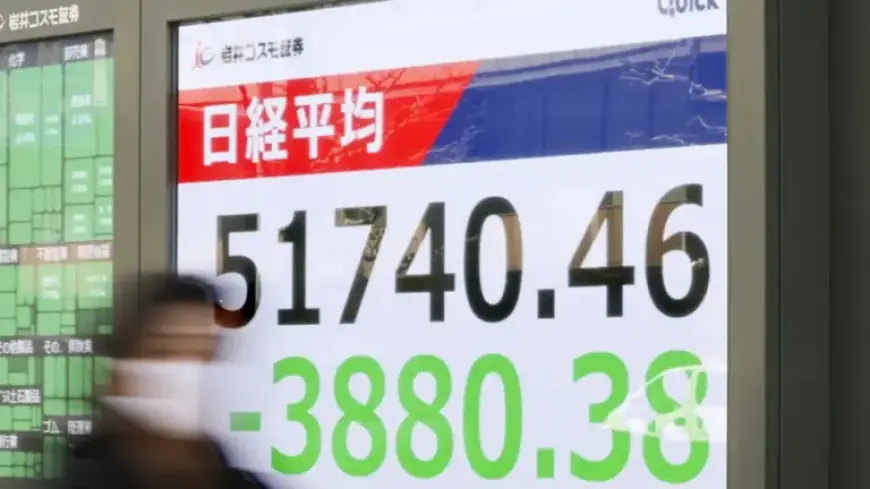
Global stock markets faced a significant downturn on March 9, 2026, driven by escalating tensions in the Middle East that propelled crude oil prices above $110 per barrel. The Japanese Nikkei 225 index plummeted by more than 5%, reflecting investor concerns over energy costs and economic stability.
Market Reactions to Rising Oil Prices
As oil prices surged, futures for major U.S. indices, including the S&P 500, Nasdaq, and Dow Jones, fell over 1%. These declines followed a more than 2% drop over the weekend, demonstrating growing investor unease.
Oil Price Surge
Brent crude oil reached approximately $106.61 per barrel, while U.S. benchmark crude hit $103.20. Both prices reflected an increase of 15% from their previous closing figures. This spike is partly attributed to military actions in the region, notably attacks that targeted civilian infrastructure and energy facilities.
- Brent Crude: $106.61 per barrel
- U.S. Benchmark Crude: $103.20 per barrel
- Nikkei 225: Closed at 52,728.72, down 5.2%
- South Korea’s Kospi: Dropped 6% to 5,251.87
- Germany’s DAX: Down 2.6% to 22,983.67
- Britain’s FTSE 100: Fell 1.9% to 10,089.05
Regional Responses to the Conflict
The ongoing conflict has raised concerns about energy supply stability, prompting responses from government officials across the region. South Korean President Lee Jae Myung warned against panic buying and collusion in the energy sector, emphasizing the need for the government to cap fuel prices.
Meanwhile, a Chinese envoy, Zhai Jun, advocated for an end to military actions against non-military targets, highlighting the humanitarian implications of the conflict.
Global Economic Implications
Experts suggest that prolonged high oil prices could hinder economic growth globally, worsened by existing inflationary pressures in various countries. Ipek Ozkardeskaya from Swissquote noted that energy prices might remain high for an extended period, affecting inflation rates worldwide.
In the United States, recent job reports indicated a decrease in employment, further complicating the economic landscape. Following these developments, the U.S. dollar strengthened against major currencies, reflecting its safe-haven status amid market volatility.
Conclusion
The current crisis marks a pivotal moment for global markets. With oil prices exceeding $110 and geopolitical tensions affecting supply chains, the economic outlook remains uncertain. Investors and governments alike must navigate these challenges with caution as the situation evolves.