

























Asia Faces Fuel Oil Shortage Amid Plummeting Middle East Exports, Sources Reveal

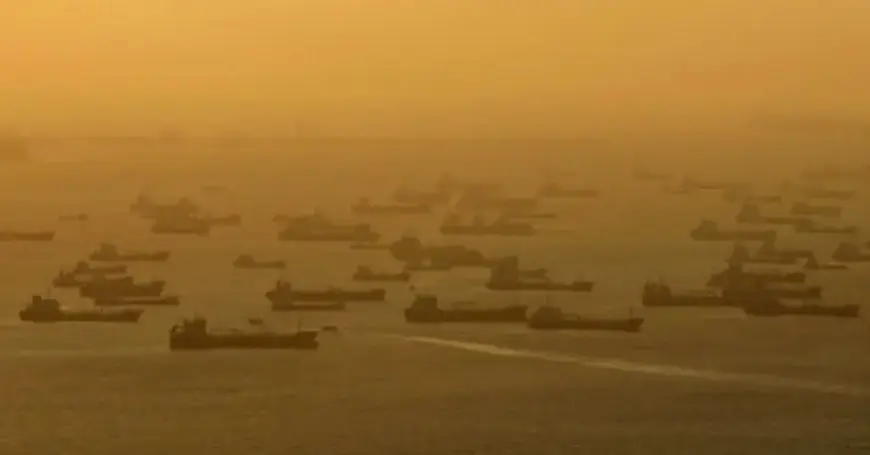
Asia is facing a significant shortage of fuel oil, primarily due to a reduction in Middle Eastern exports disrupted by ongoing conflicts. As a result, traders are being forced to seek alternative supplies from Western sources.
Impact of the Middle Eastern Conflict on Fuel Oil Supply
Countries in Asia heavily rely on fuel shipments that traverse the Strait of Hormuz. Data from Kpler indicates that exports typically average around 1.2 million metric tons monthly, translating to approximately 246,000 barrels per day. About 70% of this fuel oil supply is directed towards Southeast Asia.
However, recent disruptions have led to a staggering 90% decline in tanker transits through this critical maritime route. This situation is driving prices upward, particularly for high-sulphur fuel oil (HSFO), which has surged more than 40% in Singapore since the conflict escalated.
Current Market Trends
- High-sulphur bunker fuel prices in Singapore have increased by over 40% since conflict inception.
- Low-sulphur fuel oil prices have also climbed more than 30%.
- Overall fuel oil exports through the Strait of Hormuz traditionally total around 3.7 million tons each month.
Fuel oil traders are confronting challenges as they navigate high tanker rates and dwindling supply options. The escalating costs are expected to impact the transportation industry, raising fees for companies that rely on marine vessels for cargo delivery.
Exploring Alternative Supply Sources
Potential replacement sources for fuel oil include the United States, Mexico, and Venezuela, though these alternatives currently offer insufficient volumes. Russian oil remains an option; however, it is subject to buyer sensitivities due to ongoing sanctions stemming from the conflict in Ukraine.
In light of the reduced supply from Iran and recent sanctions, there is an ongoing shift in procurement strategies. Chinese asphalt producers are anticipated to draw more straight-run fuel oil from Russia, which may further limit the availability of imports in the Singapore Strait.
Future Supply Outlook
With regional Asian refiners cutting production owing to crude shortages, the outlook for fuel oil supply remains grim. Although onshore inventories in Singapore currently appear robust, analysts predict that these stockpiles will diminish rapidly in the coming weeks.
Traders continue to monitor market conditions closely. The combination of sustained demand and diminished supply sources is expected to keep fuel oil prices elevated in Asia for the foreseeable future.