
























Hadjar framed as a 'pépite' alongside a 'futur champion': why the labels in Paddock Pass matter

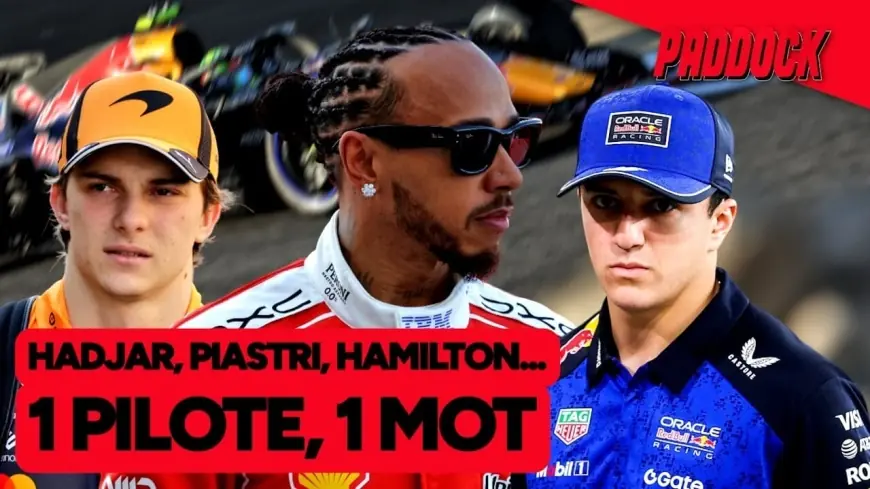
The recent Paddock Pass feature that pairs Piastri labeled a "futur champion" with hadjar described as a "pépite" matters because labels shape attention. For fans, teams, and commercial partners, a short phrase can accelerate expectations, reset comparisons and alter the immediate conversation around a driver's trajectory. If you’re wondering why this keeps coming up, it’s about narrative momentum more than a single headline.
Hadjar’s tag and the wider rewind: what the labels signal
Calling Hadjar a "pépite" places him in the same editorial frame as a driver described as a future champion. Those two contrasting adjectives—one forecasting long-term dominance, the other highlighting raw promise—do different work. The first sketches a destination; the second highlights potential and discovery. Both steer where attention and scrutiny land, and both influence how subsequent coverage will be read.
- Visibility: a short phrase in a well-read paddock column amplifies a name quickly among followers and commentators.
- Expectation shaping: "futur champion" invites projection of results; "pépite" invites talent-spotting and growth narratives.
- Comparative framing: placing the two labels side by side encourages direct comparison, even when context is limited.
- Momentum signal: editorial emphasis can create a feedback loop—more attention begets more scrutiny, which begets more coverage.
What’s easy to miss is that editorial tags are shorthand for longer narratives editors and readers carry forward; they rarely exist in isolation.
Event details and the immediate takeaway from the Paddock Pass piece
The Paddock Pass column uses the phrase "futur champion" for Piastri and calls Hadjar a "pépite. " That juxtaposition is the core fact: one driver framed toward an end goal, another framed as a shining find. Beyond that simple editorial choice, the piece acts as a prompt for how conversations will unfold—about potential, readiness and where attention will concentrate in the weeks ahead.
Here’s the part that matters for readers tracking emerging drivers: short descriptors in paddock commentary are often the seed for bigger narratives that shape reputations. hadjar appears in that shorthand here, and the repetition of that tag in later coverage could reinforce either interest or pressure depending on how subsequent performances align with the label.
Key signs that will indicate whether the label has traction include changes in how frequently the name appears in season previews, mentions in commentary about development pace, and whether commercial and media interest grows—but those are signals to monitor rather than certainties.
The real question now is how long the "pépite" label sticks and what it does to expectations around development versus immediate results. Labels can be helpful shorthand for fans and commentators, but they can also compress a more complex career arc into a single line.
Micro takeaways: think of this as an editorial nudge more than a verdict. For followers of emerging talent, the value is in watching whether the narrative accelerates opportunities or simply increases short-term pressure.
It’s easy to overlook, but not every compliment from a paddock column changes a trajectory overnight—yet some do, by focusing attention in ways that matter to stakeholders. Recent placement of Piastri and Hadjar in that frame is a small but meaningful editorial choice that will influence how both names are discussed going forward.